Reliabilty of Wireless IIoT Vibration Sensors
Unreliable data from wireless IIoT vibration sensors in CM use is a concern. Laboratory testing often fails to simulate real-world conditions, leading to inaccurate sensor readings, particularly at higher frequencies.
Clients have seen too much of unreliable data from wireless IIoT vibration sensors in CM use. It's not acceptable, it's not sustainable either.
I, as a vibration analyst, have tested hundreds of sensors from dozens of providers at the field during last 7 years and seen the raw fact: too often sensor readings doesn't follow the actual vibration level. As always, there are exceptions, but in minority, unfortunately. Usually, the problem gets bigger when the upper frequency limit gets bigger. Why is that - the sensors should have been tested in laboratory already, right?
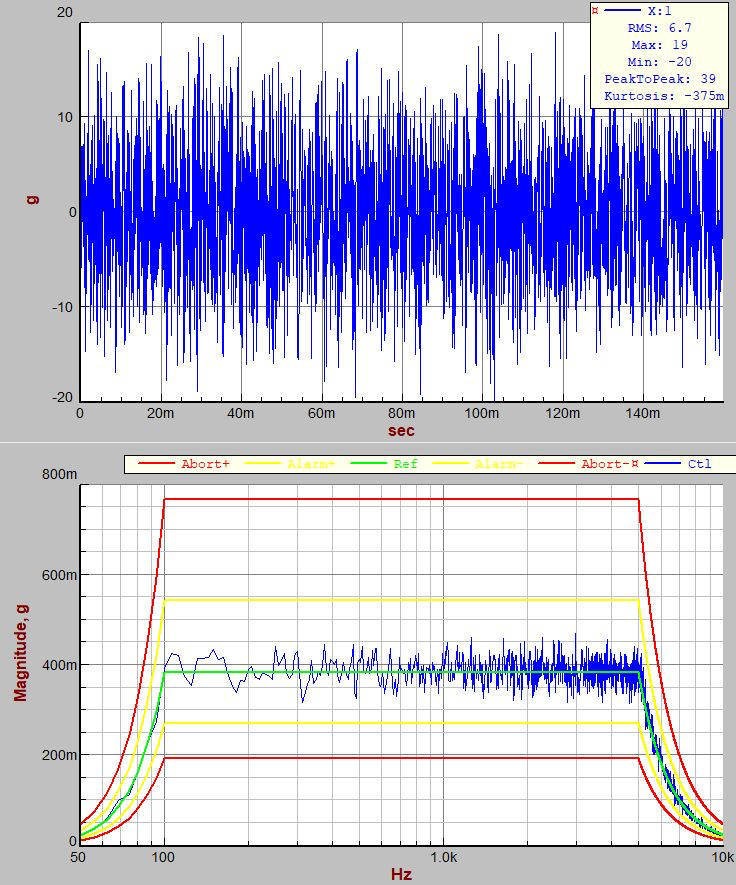
Well, that's the thing. Today's laboratory testing doesn't simulate the real physical conditions: vibration levels are relatively low and broadband noise is missing:
-Low vibration levels, typically 1 m/s^2 or 1 g, not enough to test sensor's limits
-Point frequencies, typically 31 pcs between 10-10000 Hz, internal natural frequencies are not excited
-Frequency sweep, extremely difficult to compare separate systems' data
As I understand the physics, only the controlled broadband noise is able to excite sensor´s internal natural frequencies to reveal resonance over the whole frequency range - but not so many does that.
Something needed to be done - and we did.
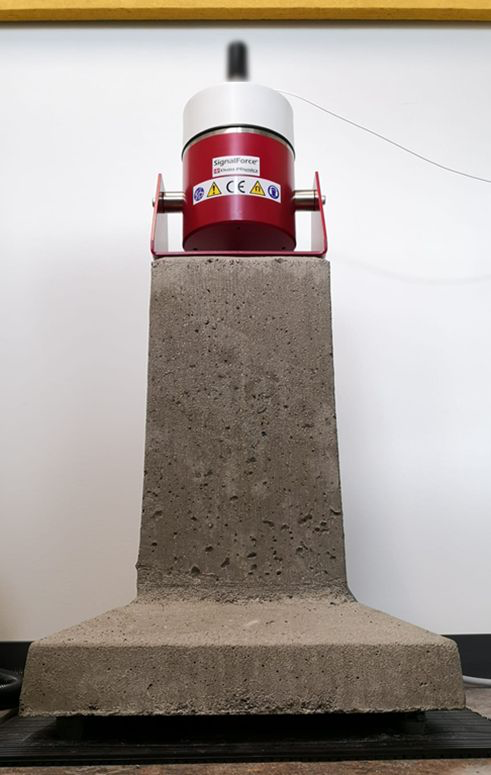
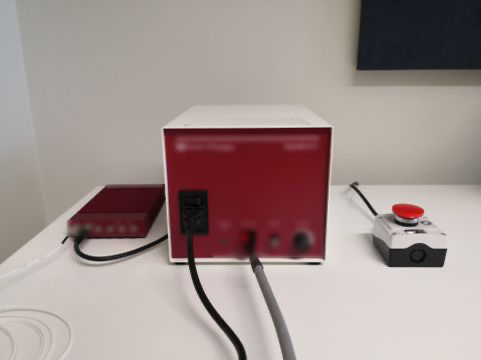
We built up a PoC vibration sensor back in 2019 to see what's the result if mechanics is build as one would expect from vibration sensor - we succeeded. We invested to Asensiot CM Data Laboratory this year to gain understanding and help sensor manufacturers and end users to test end products at sensor's limits - we have succeeded, together.
Whether you are vibration sensor manufacturer, service provider or end user or any other way involved to vibration analysis - how do you evaluate the rightness of wireless vibration sensor's readings?
For clarity, I have not seen such problems with stud mounted piezoelectric accelerometers, based on tests we have conducted so far. They are bulletproof.
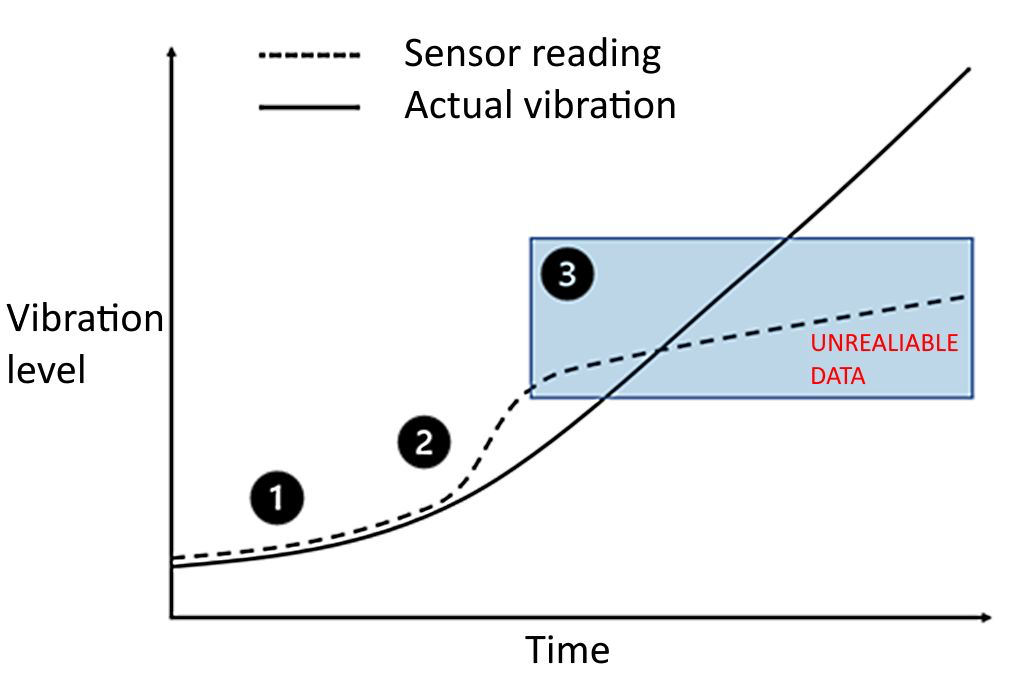
The problem is not such behavior itself, if and only if we know where is the limit where readings starts to go non-linear (points 2 and 3) and where is the region the non-linearity is acceptable (point 1).
Do you know, where is the limit of your sensors?
Additional Images