Importance of Machinery Resonance
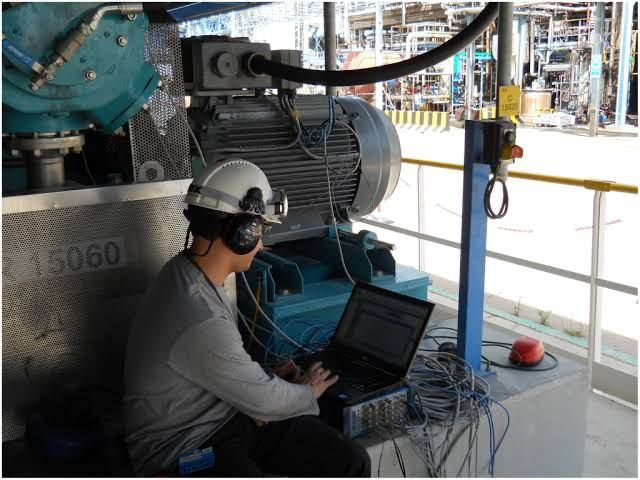
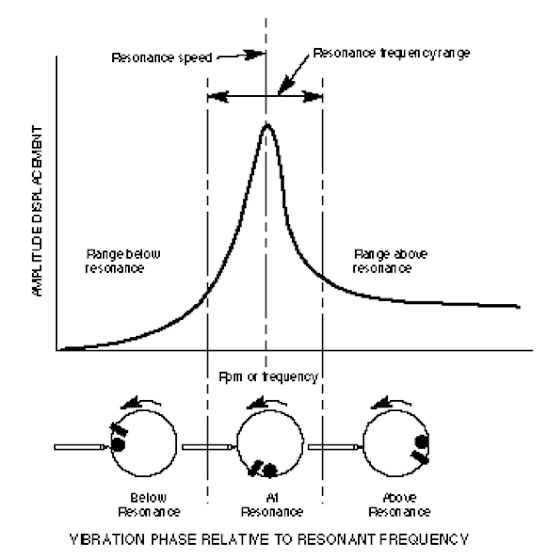
Machinery resonance occurs when a machine vibrates at its natural frequency due to matching external force frequency, leading to increased vibration amplitudes and potential damage. To prevent resonance, engineers should consider natural frequencies during design, ensure proper balancing and alignment, use damping materials, and conduct regular vibration analysis and maintenance.
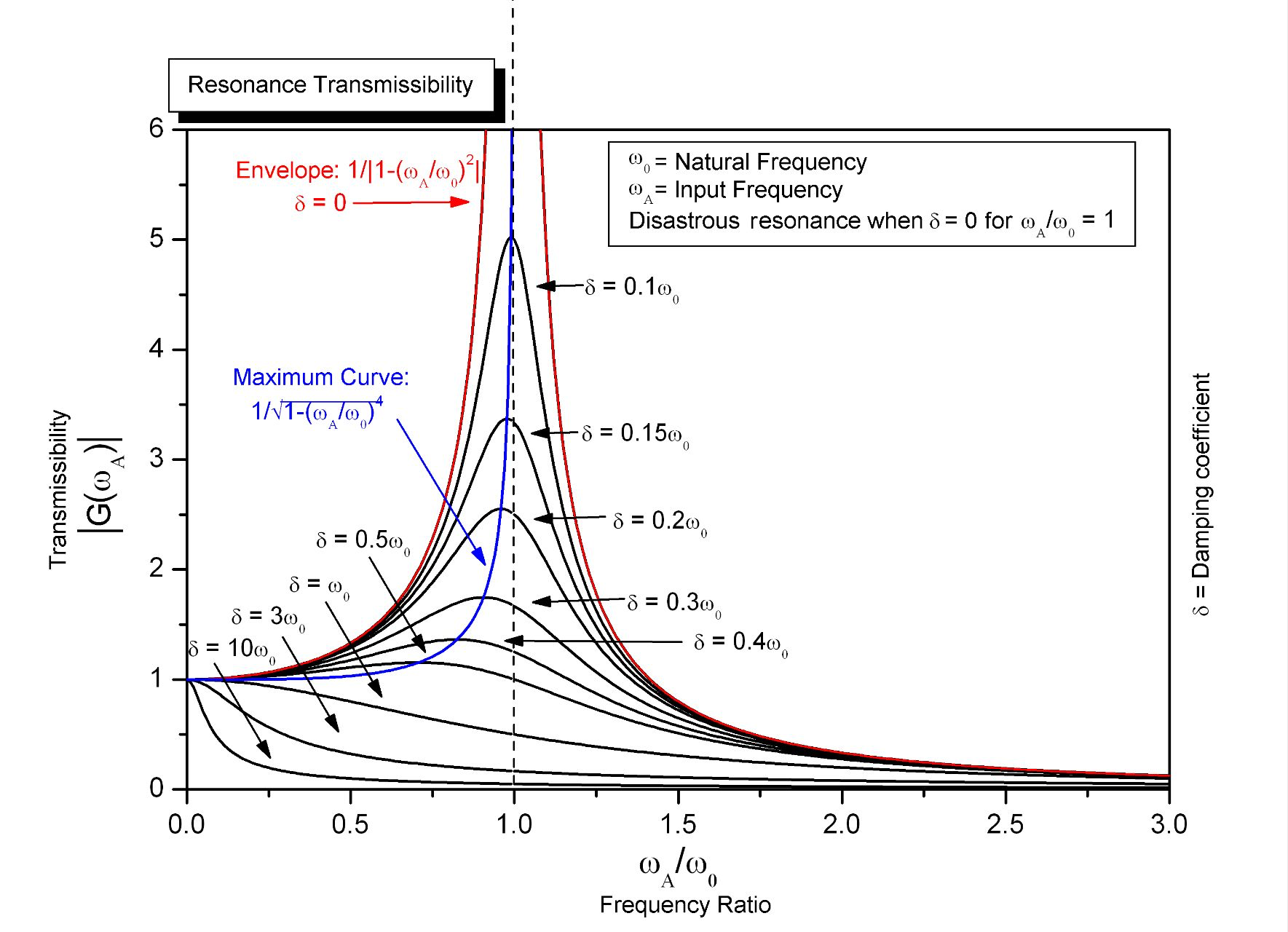
Machinery resonance refers to the phenomenon where a machine or mechanical system vibrates at its natural frequency or a multiple of it. Resonance occurs when the frequency of an external force or excitation matches the natural frequency of the machine, resulting in increased vibration amplitudes and potential damage.
Resonance can occur in various types of machinery, such as engines, turbines, pumps, and rotating equipment. It can be caused by factors such as unbalanced loads, misalignment, worn-out components, or improper installation.
The effects of machinery resonance can be detrimental and lead to increased wear and tear on components, reduced efficiency, increased noise levels, and even catastrophic failure. Therefore, it is crucial to identify and mitigate resonance-related issues through proper design, maintenance practices, and vibration analysis techniques.
Methods to prevent or control machinery resonance include:
1. Design considerations: Engineers should consider the natural frequencies of the machine during the design phase to avoid potential resonance issues. This may involve modifying structural elements or adding damping materials to reduce vibration amplitudes.
2. Balancing: Properly balancing rotating components helps minimize vibrations caused by unbalanced loads.
3. Alignment: Ensuring proper alignment between rotating shafts and other machine parts reduces excessive vibrations that can lead to resonance.
4. Damping: The use of damping materials or devices like rubber mounts or shock absorbers can help dissipate vibrational energy and reduce resonance effects.
5. Vibration analysis: Regular monitoring of machinery vibrations using sensors and analysis tools can help detect early signs of resonance and allow for timely corrective actions.
6. Maintenance practices: Regular inspection, lubrication, and replacement of worn-out components can prevent resonance issues caused by deteriorating parts.
Overall, understanding machinery resonance is essential for maintaining reliable and efficient operation of mechanical systems while minimizing the risk of damage or failure due to excessive vibrations.
Additional Images