Cavitation: Definition, How to Detect, How to Prevent
Cavitation, caused by low pressure at the pump suction end, negatively impacts pump operation and lifespan, particularly the impeller. Vibration analysis can detect cavitation, which differs from bearing defects in vibration patterns.
Definition:
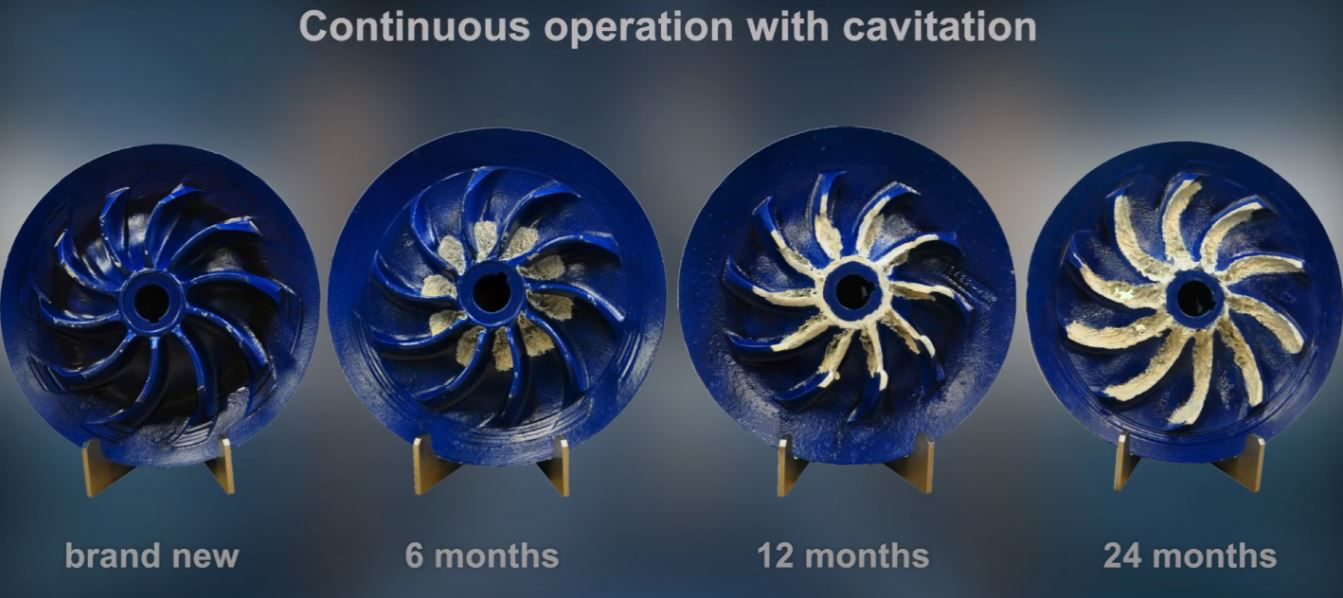
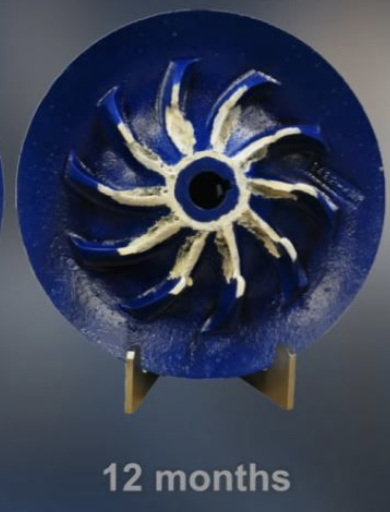
Cavitation occurs when the liquid in a pump turns to a vapor at low pressure. It occurs because there is not enough pressure at the suction end of the pump, or insufficient Net Positive Suction Head available (NPSHa). When cavitation takes place, air bubbles are created at low pressure. Cavitation has a serious negative impact on pump operation and lifespan. It can affect many aspects of a pump, but it is often the pump impeller that is most severely impacted. A relatively new impeller that has suffered from cavitation typically looks like it has been in use for many years
How to Detect:
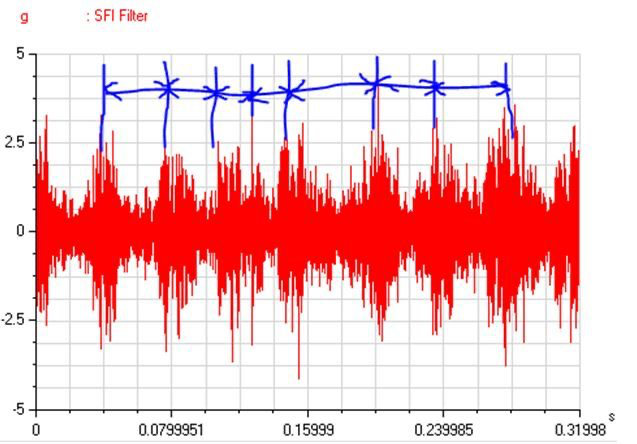
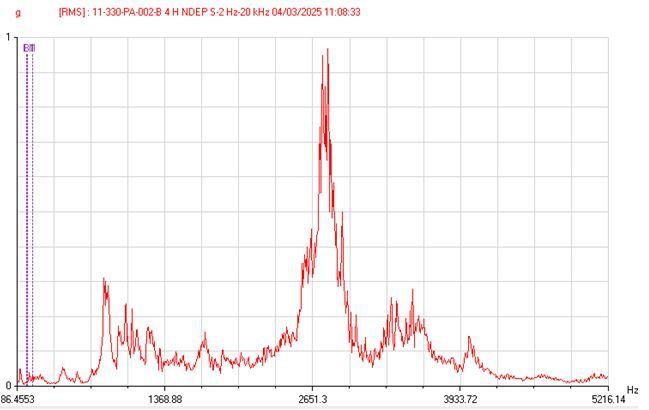
Condition monitoring based on vibration analysis is a good indicator to detect the severity of cavitation. The overall vibration acceleration increases due to high floor noise in high frequency spectrum. In addition, random pulses (non periodic) are included in time waveform due to random impacting force on the impeller. This pattern is different when the equipment suffering bearing defect. In this case, the time waveform includes periodic pulses due to one of bearing defect frequencies.
How to Prevent:
The best way to prevent pumps from experiencing cavitation is to increase NPSH. Some ways to increase NPSH are:
1) Increase the upstream reservoir’s water level
2) Add an inducer to the pump inlet
3) Optimize impeller design
4) Minimize upstream flow losses
5) Operate the pump at lower flow rates
The main objective of this brief study is to distinguish between the cavitation and bearing defects since both of them leading to increase overall vibration accelerations.
Additional Images