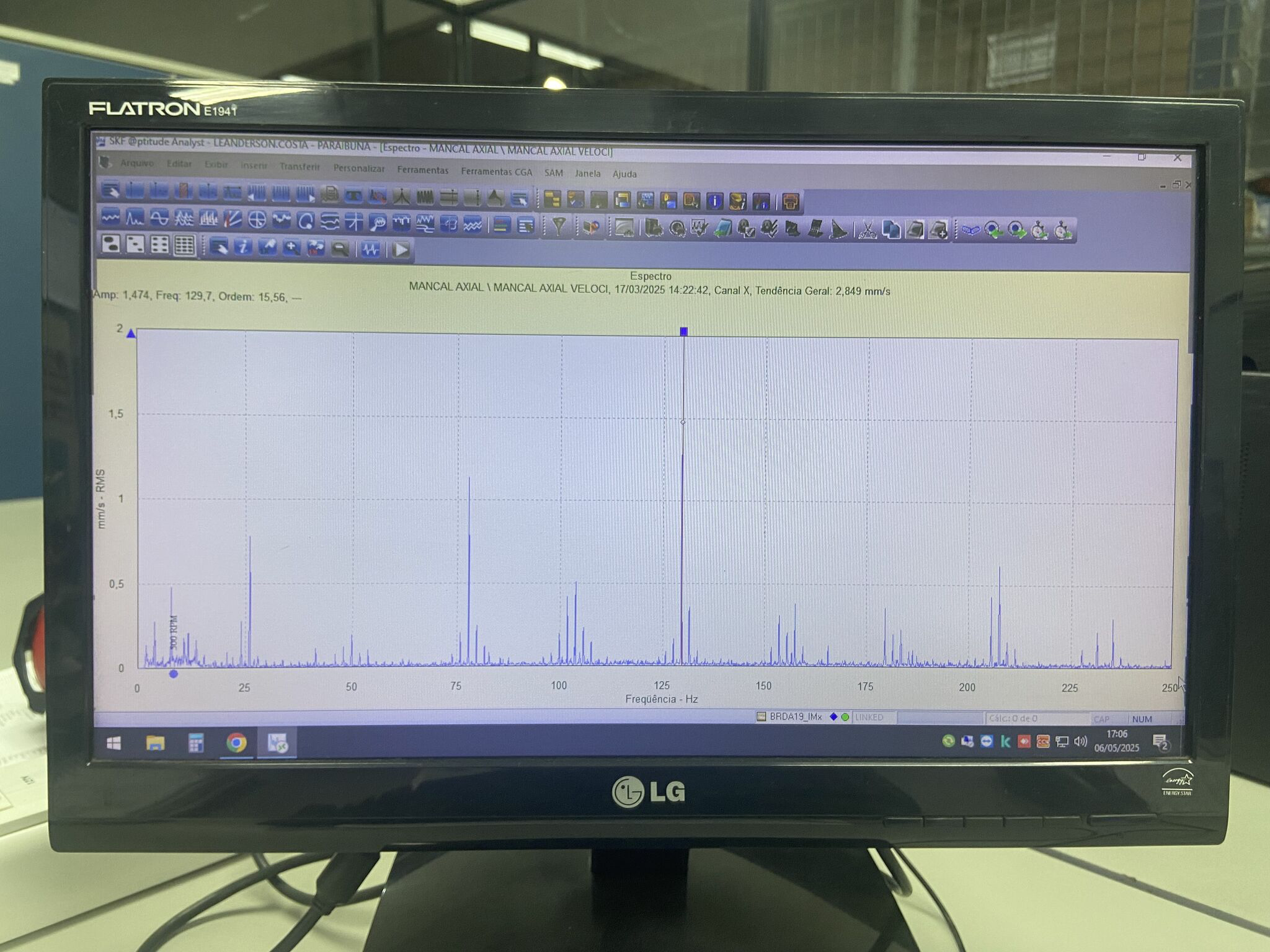
Paper Dryer Bearing Fault
Paper dryer bearings are complex components operating under severe conditions, requiring specific materials and lubrication. Predictive maintenance, utilizing techniques like vibration analysis and infrared thermography, can achieve over 90% accuracy in detecting bearing failures, especially in high-temperature and high-load scenarios.
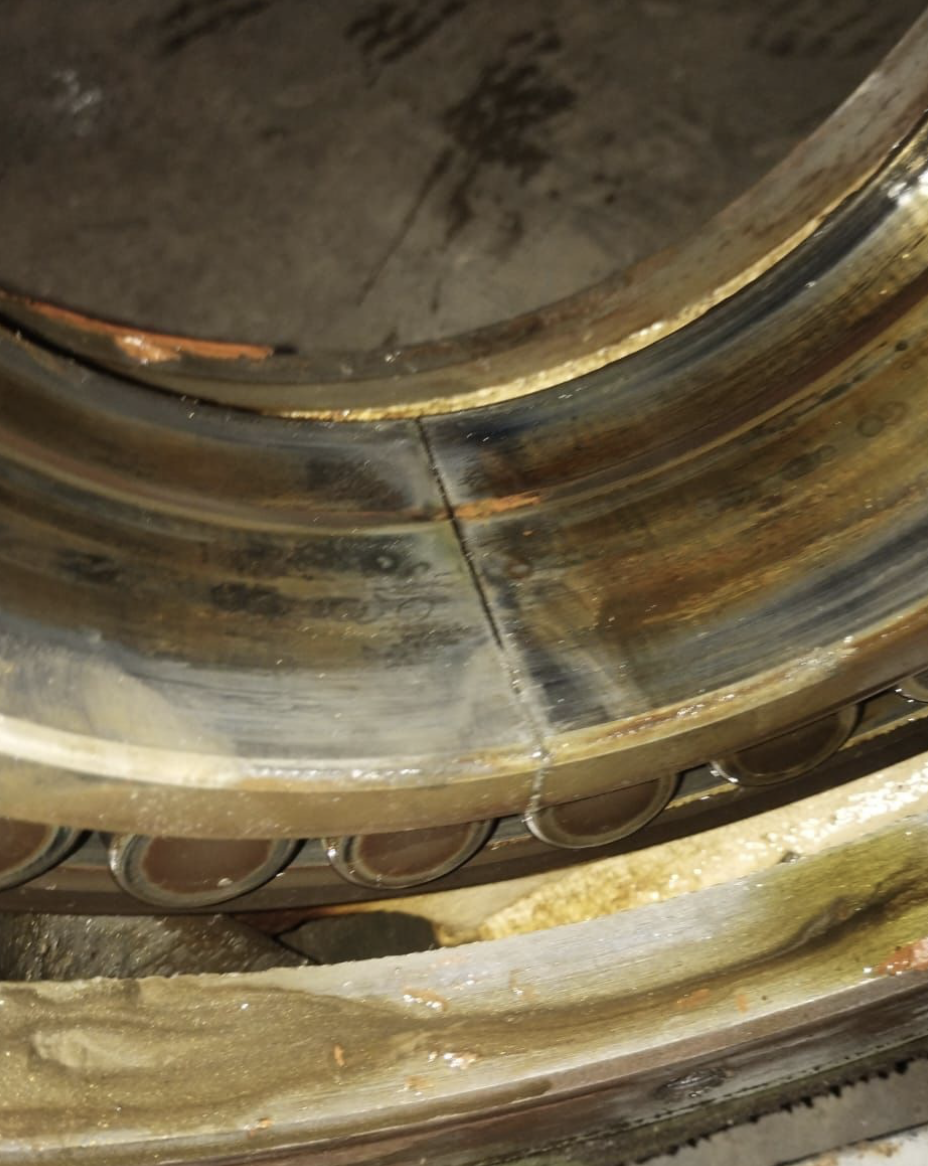
Good morning to all !!
Monitoring the complexity of a paper dryer bearing involves several technical and operational variables, as this component operates under severe temperature, load, and speed conditions in paper machines. Let's break down what this means:
Bearing Complexity
The dryer bearing is usually of the hydrodynamic or rolling type (cylindrical or spherical roller bearing), and its complexity derives from:
• High temperatures: It can operate above 100°C, requiring specific materials and lubrication.
• High loads: Sustains high pressures of the dryer cylinders.
• High rotation speed: Reduces the margin of error in installation and operation. (in this specific case it is low rotation)
• Thermal expansion: Impacts bearing alignment and fit.
The assertiveness of predictive maintenance on a paper dryer bearing depends on several factors, such as the technology used, the frequency of data collection, history of previous failures and especially the cleverness and technical capacity of the Analyst. However, in general, predictive maintenance, when well implemented, can present an assertiveness of more than 90% in the early detection of bearing failures, especially with the use of techniques such as:
• Vibration analysis
• Infrared thermography
• Ultrasound analysis
• Lubricating oil analysis
In the specific case of paper dryer bearings (which operate at high temperature and with high loads), predictive is extremely effective in identifying problems such as:
• Excessive wear
• Lubrication failures
•Misalignment
• Cavitation or corrosion wear
Another success of the !! inspection
Additional Images