Bearing Fault Case Study at a Paper Machine
Axial vibration on roll V2 of a paper machine exceeded safe limits, indicating imminent failure. Despite the high cost and downtime, the machine was stopped, preventing a major breakdown and allowing for a successful bearing replacement.
When Stopping Means Producing: The Paradox of Smart Maintenance that Prevented a Major Breakdown
📍 Context: Critical variations and resonance in the press section of a paper machine running 24/7.
Axial vibration on roll V2 exceeded 18 mm/s — a clear sign of imminent failure. This roll supports guide roll 1SE, located after the presses and before the first dryer section.
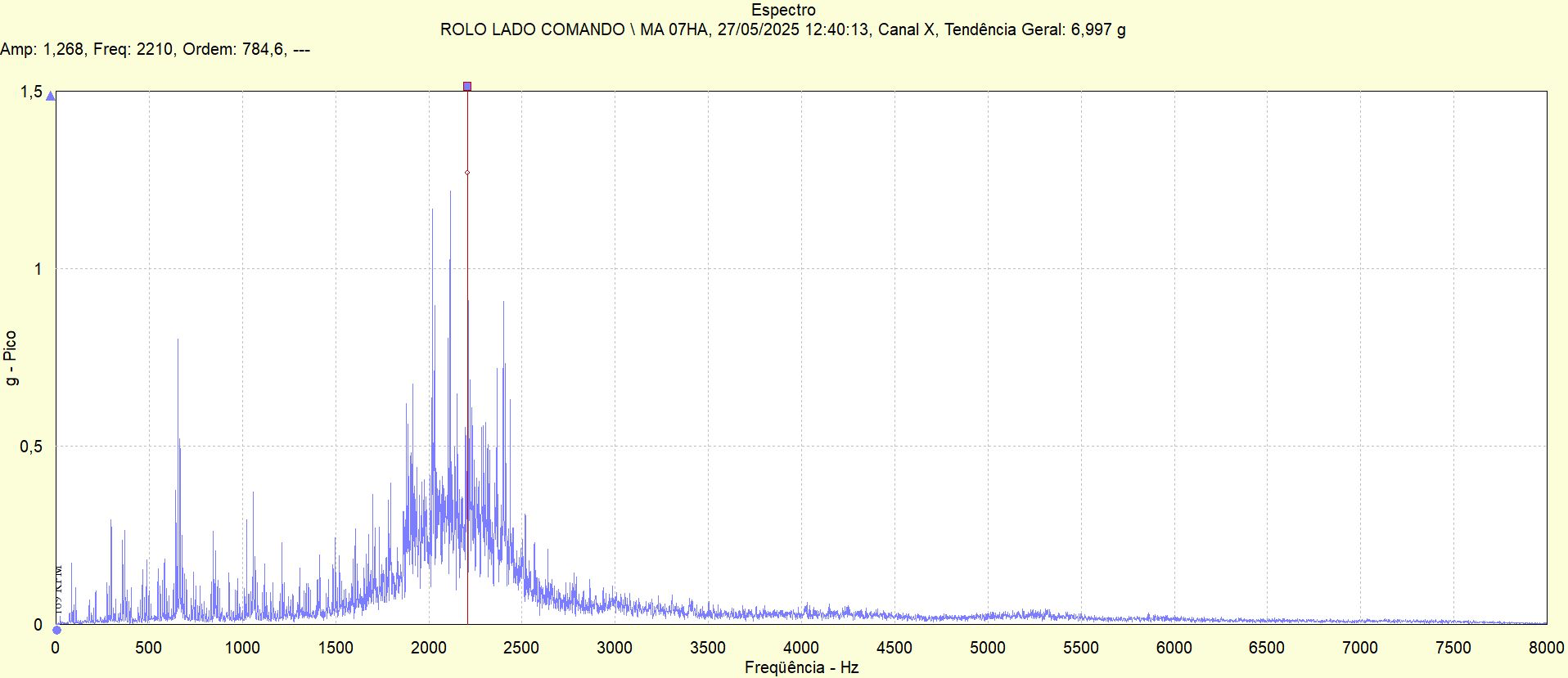
⚠️ Alert: During off-schedule analysis, I confirmed severe deterioration:
• Acceleration jumped from 0.18 G to 7.98 G
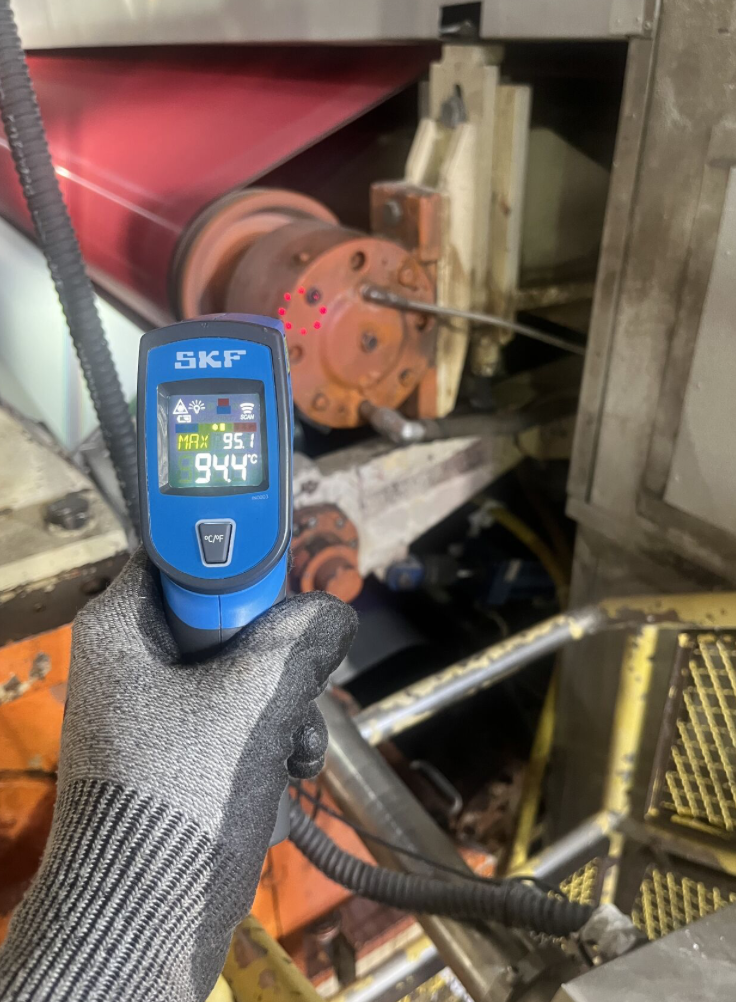
• Temperature reached 94 °C
With no doubts, I stated:
"Either we stop now, or this roll will seize."
🧠 Decision-making:
Stopping meant:
• Interrupting production prematurely
• High cost and at least 5 hours of downtime
But the data spoke clearly — this was not an assumption. We stopped the machine.
✅ Result:
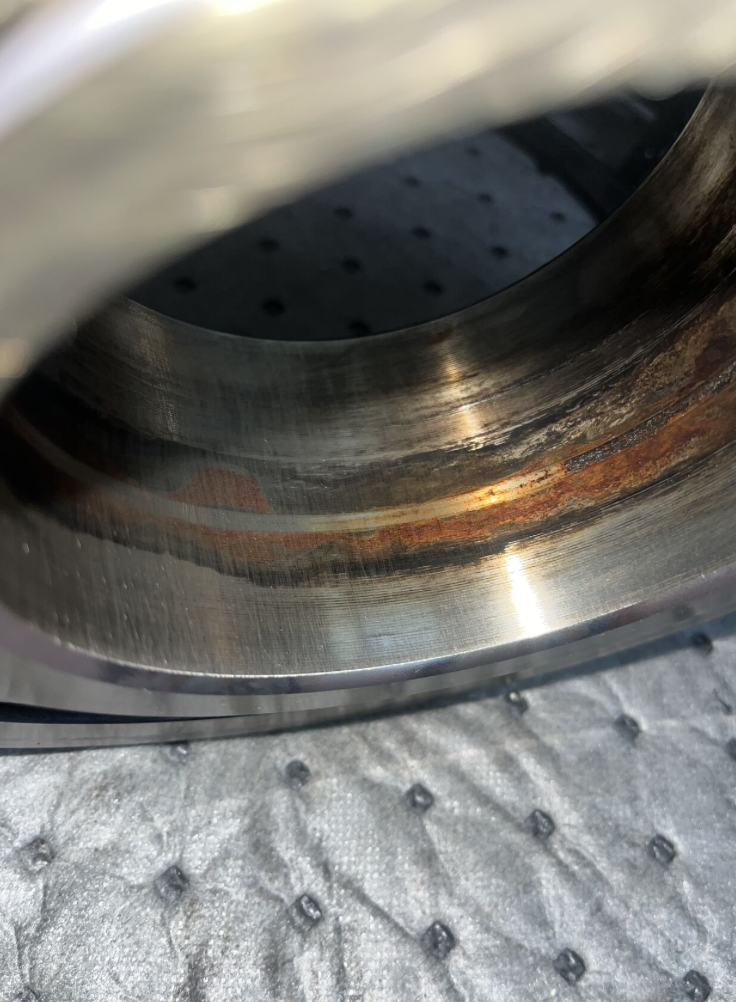
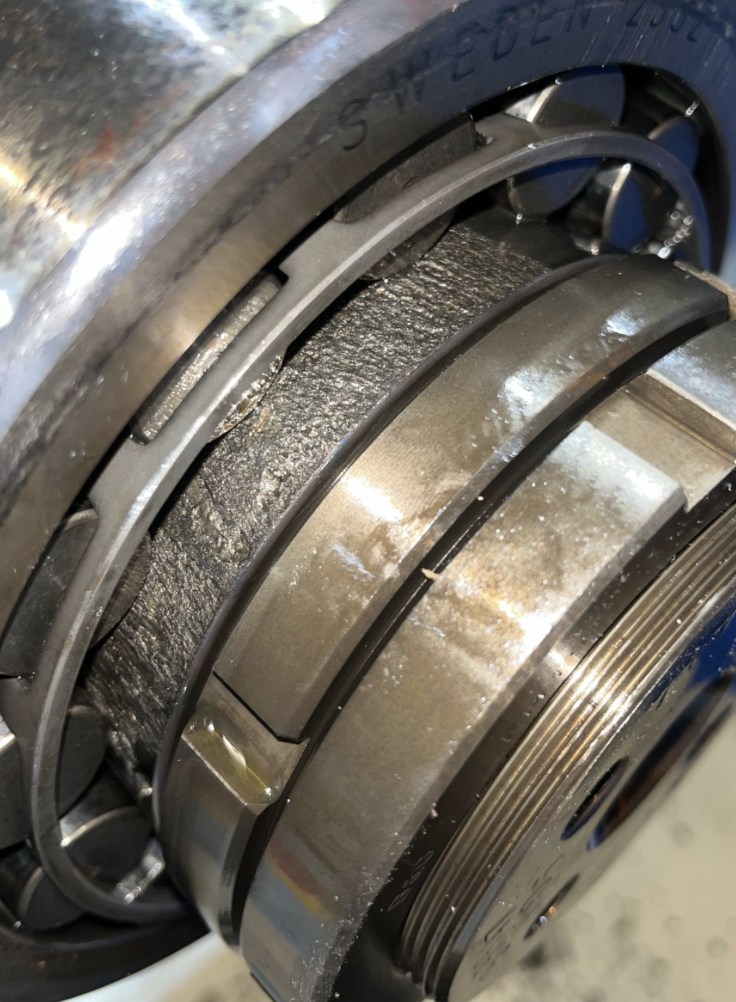
Failure was avoided. The bearing showed heavy wear. Replacement was successful, and operations resumed with no additional damage.
🔍 Technical Insight:
This reinforces the power of data-driven predictive maintenance. In high-speed paper lines, reliable data and timely action protect critical assets and avoid unplanned downtime.
💡 Root Cause Action:
While the team replaced the roll, I gathered plant managers to present the data, spectra, and historical trends that supported the decision.
I made it clear:
"If we don’t address the structural resonance, this will happen again."
We performed ODS, identified weaknesses, and stabilized the press section. A corrective structural action was initiated to ensure long-term reliability.
🤔 What would you have done?
Have you ever faced a similar critical decision using vibration analysis?
Let’s exchange insights and strengthen the industrial maintenance community.
Additional Images