Case Study of a Paper Machine Roller Bearing
Vibration analysis software is useful for diagnosing equipment failures, but understanding the equipment’s environment, function, and design is crucial for accurate diagnosis. A case study of a paper machine roller bearing illustrates this, where the software identified an internal track failure despite the external track being the rotating component.
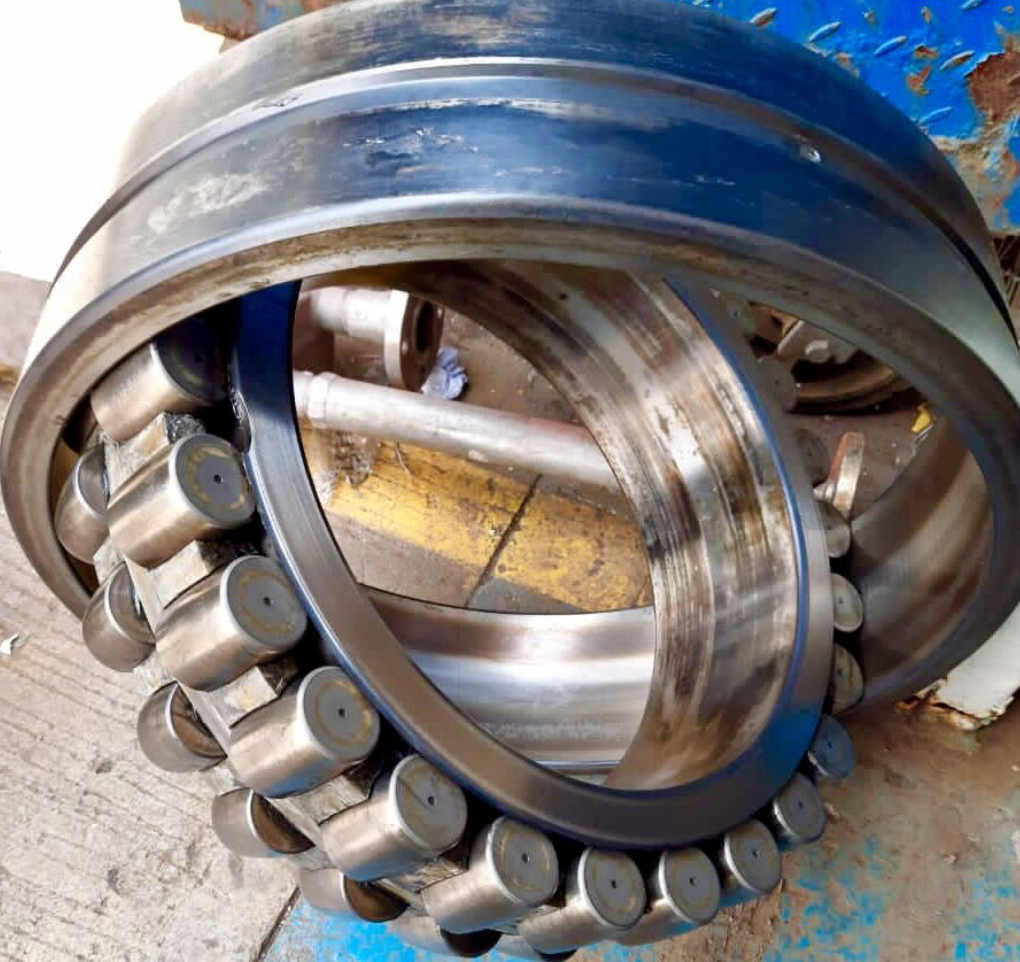
t is practical to diagnose our equipment with the software for vibration analysis, since it has useful tools to determine in most cases and without the need for an additional study or test the type of sub-standard condition or failure it presents.
However, it is of great importance to know and understand the environment where our machine is operating and everything that can affect it, the function it fulfills in the process, the mechanical and electrical elements that compose it, the manufacturer's recommendations and its DESIGN.
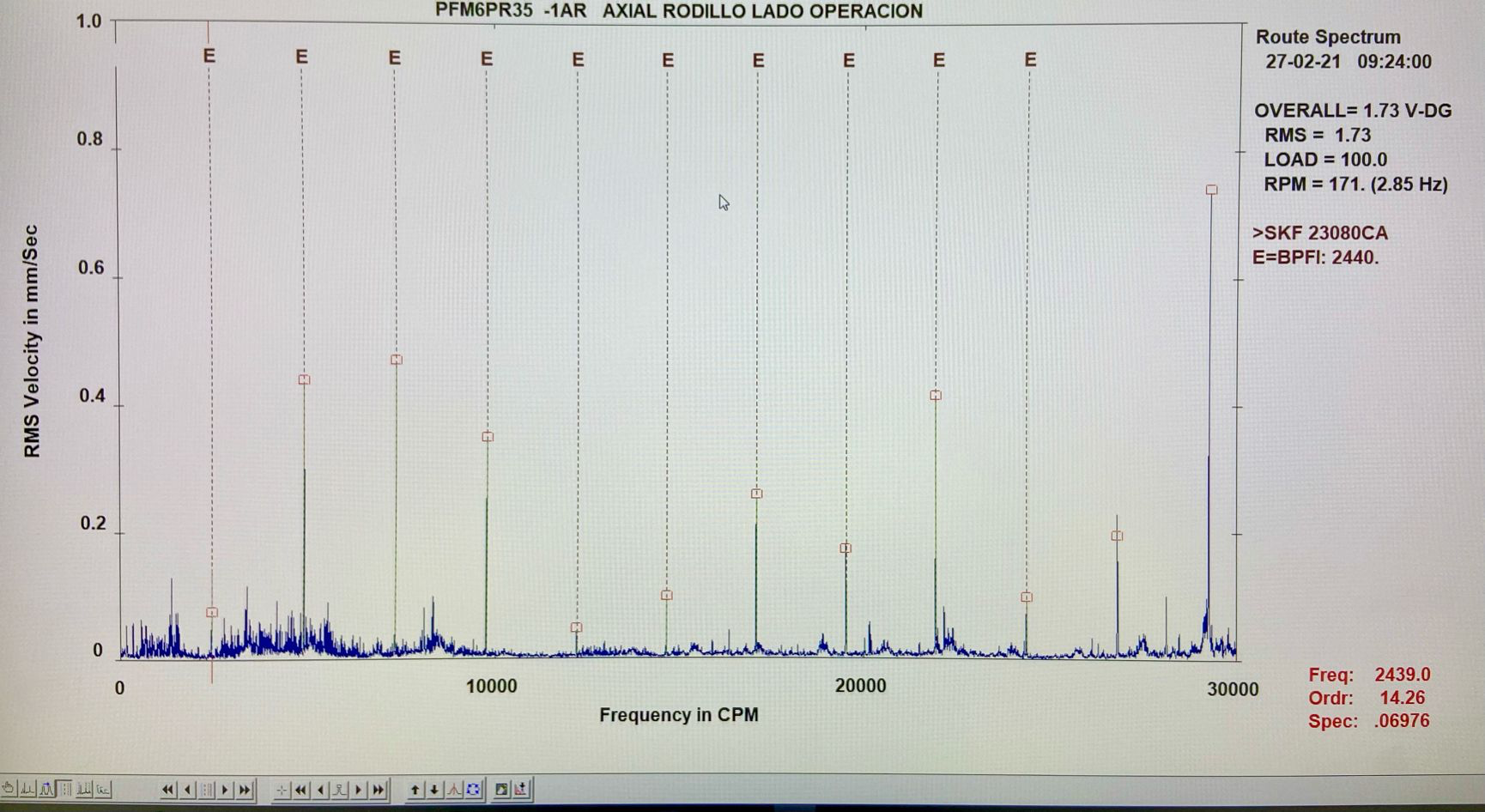
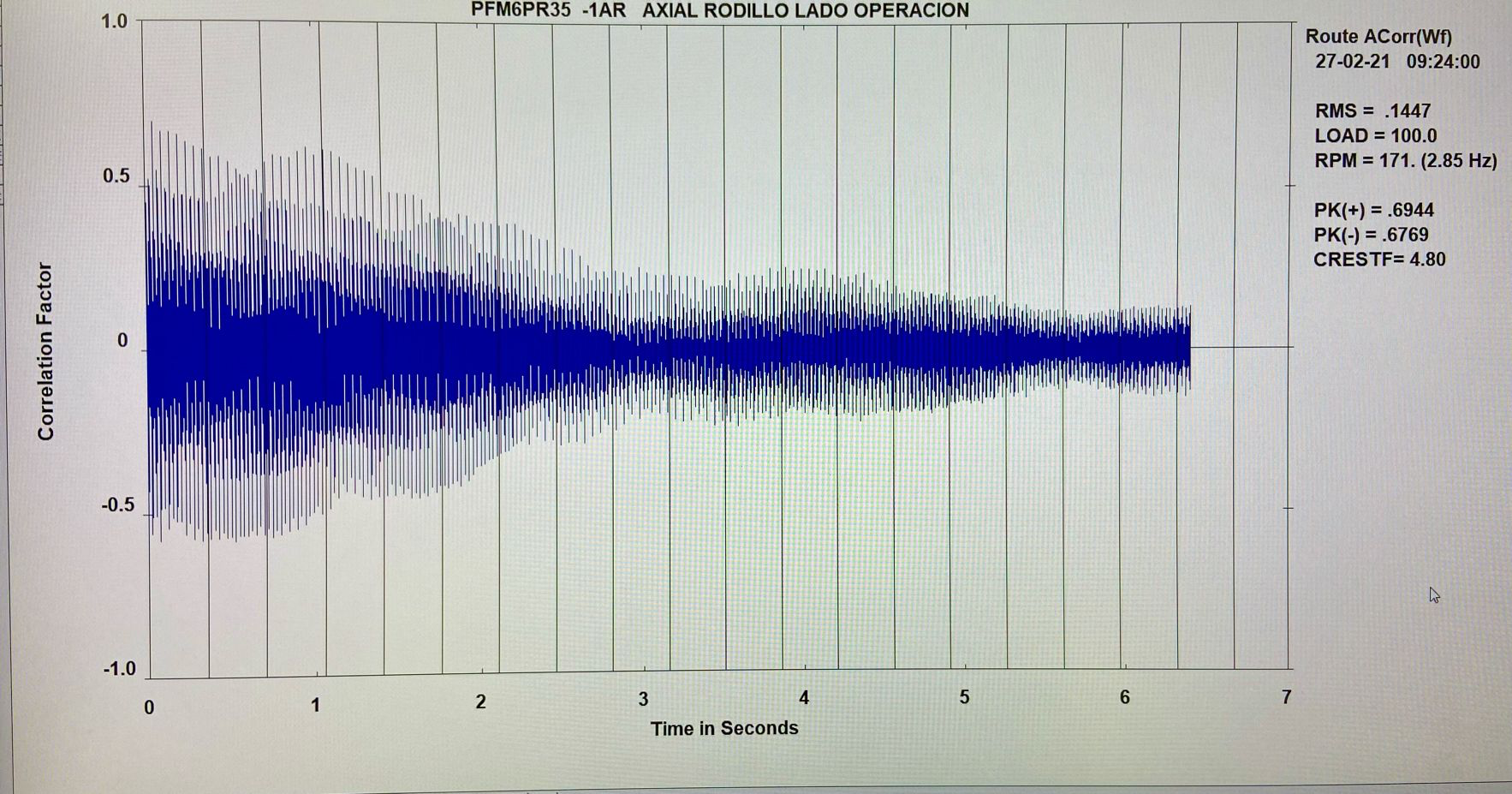
This time I share the diagnosis of bearings in a roller of a paper machine. What the vibration analyst determines at first glance in his diagnosis as an external track failure (BPFO) just by looking at its characteristic pattern in the spectrum, the analysis software tells us (spectrum and waveform) that it corresponds to an internal track failure, and it can be?, Yes.
It is there where it is important to know the design and operation of my equipment, when reviewing their manufacturing drawings it is observed that for this type of roller, the internal track is fixed and the one that rotates is the external one so in the vibration spectrum the sidebands are not observed accompanying the failure frequencies that in this case would be in the internal track (BPFI).
Additional Images