Change of Operating Parameters on Machinery Performance and Reliability
A 1100 KW motor experienced high vibrations after bearing replacement, with a 2.9 Hz increase in shaft frequency. The increase in frequency, potentially caused by electrical feed fluctuations, led to a significant impact on machinery performance and reliability.
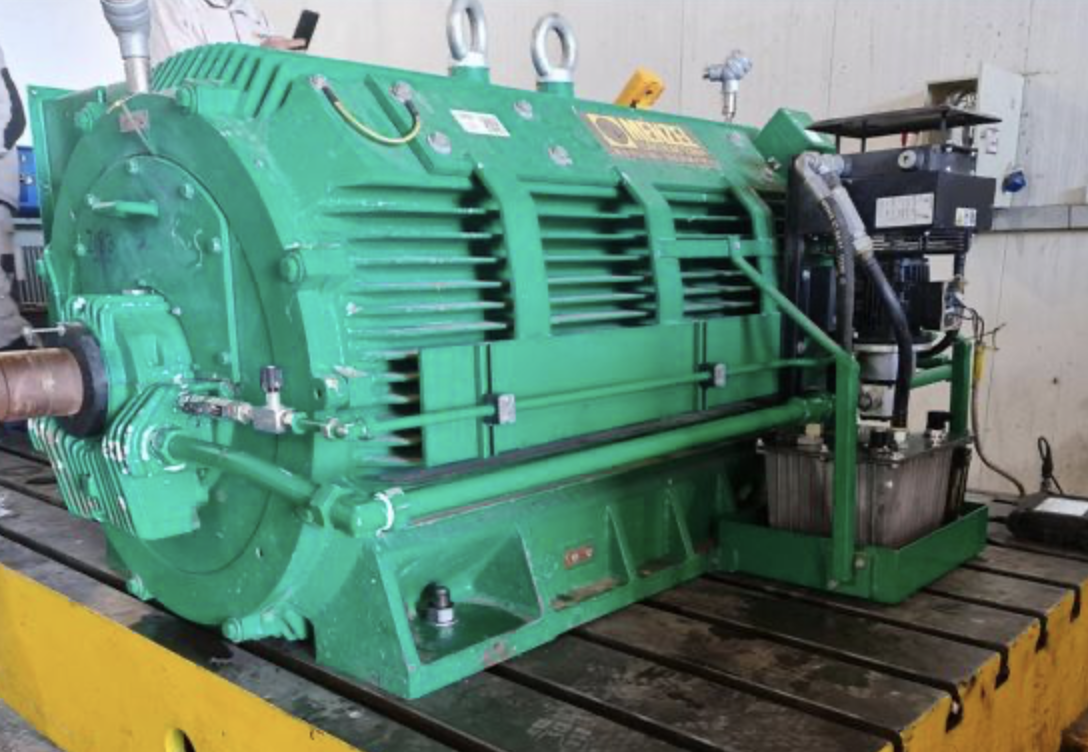
𝐃𝐨𝐞𝐬 𝐚 𝟐.𝟗 𝐇𝐳 𝐈𝐧𝐜𝐫𝐞𝐚𝐬𝐞 𝐢𝐧 𝐒𝐡𝐚𝐟𝐭 𝐅𝐫𝐞𝐪𝐮𝐞𝐧𝐜𝐲 𝐑𝐞𝐚𝐥𝐥𝐲 𝐌𝐚𝐭𝐭𝐞𝐫?
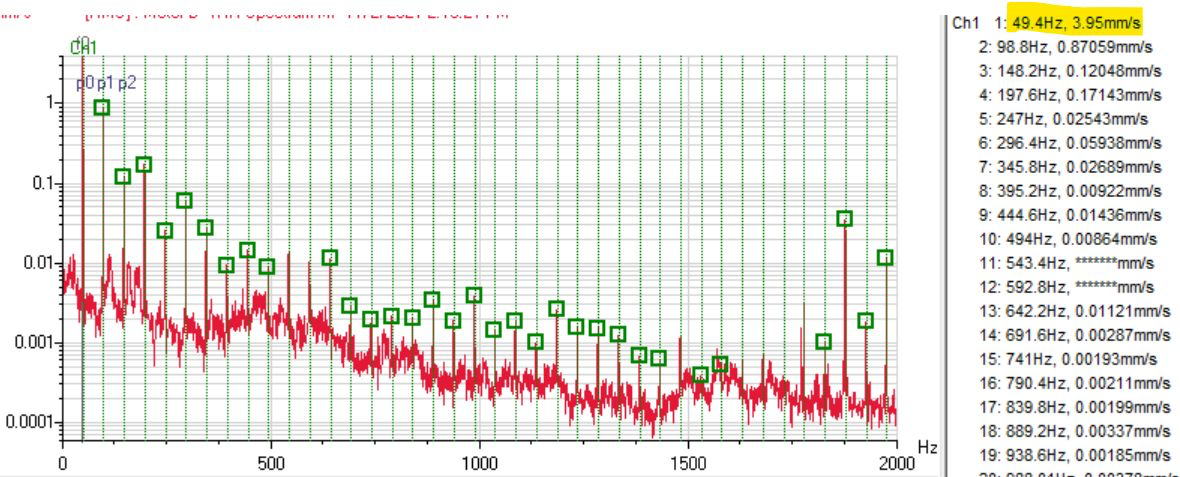
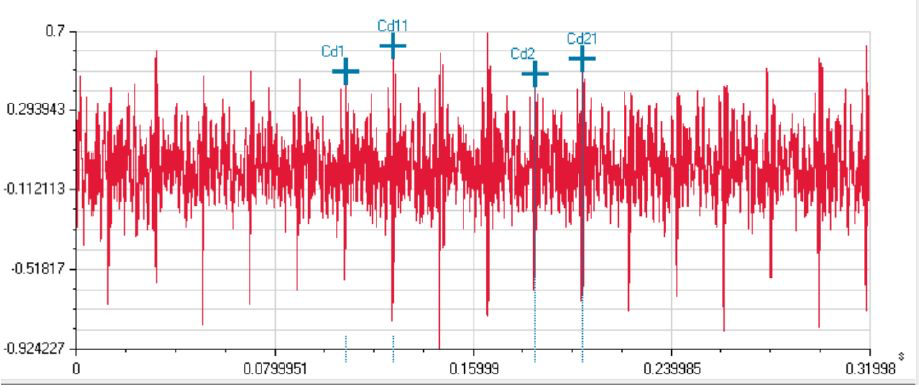
A 1100 KW motor with excessive journal bearing looseness, showing a max vibration of 4 mm/sec RMS. with 1X harmonics, After replacing the bearing and the defects were confirmed as looseness, the motor was tested by an independent workshop. As a third-party consultant between the end user and the workshop, we observed unexpectedly high vibrations of max 13.1 mm/sec RMS in both bearings in horizontal axes with 0.5X harmonics and clear 1X shocks in the time waveform (TW).
This rises so many questions mark in what gone wrong?
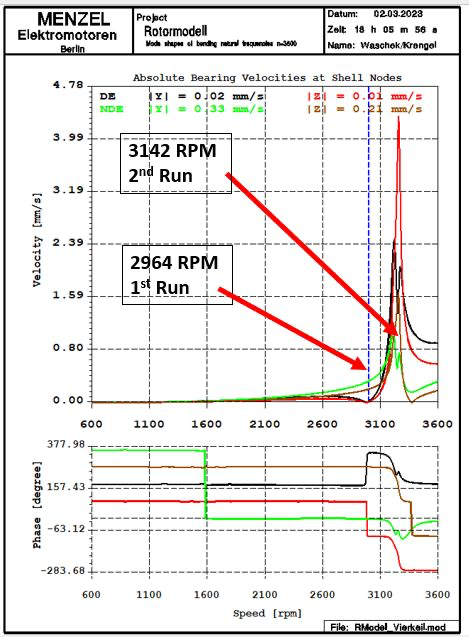
Upon reviewing previous and current vibration readings, we found a significant shift: the previous 1X was 49.4 Hz, now it's 52.3 Hz. Consulting with the OEM revealed that the rotor's critical speed matches the current 1X frequency!.
Our investigation led us to uncover that the independent workshop's generator experienced fluctuations in the electrical feed frequency, potentially causing this shift.
𝐓𝐡𝐞 𝐌𝐨𝐫𝐚𝐥 𝐨𝐟 𝐭𝐡𝐞 𝐒𝐭𝐨𝐫𝐲: Small changes in operating conditions, such as a 2.9 Hz increase in shaft frequency, can have a significant impact on machinery performance and reliability. Always consider the broader system and external factors during diagnostics and testing.
Additional Images