Excessive Mechanical Clearance Related Vibration Case
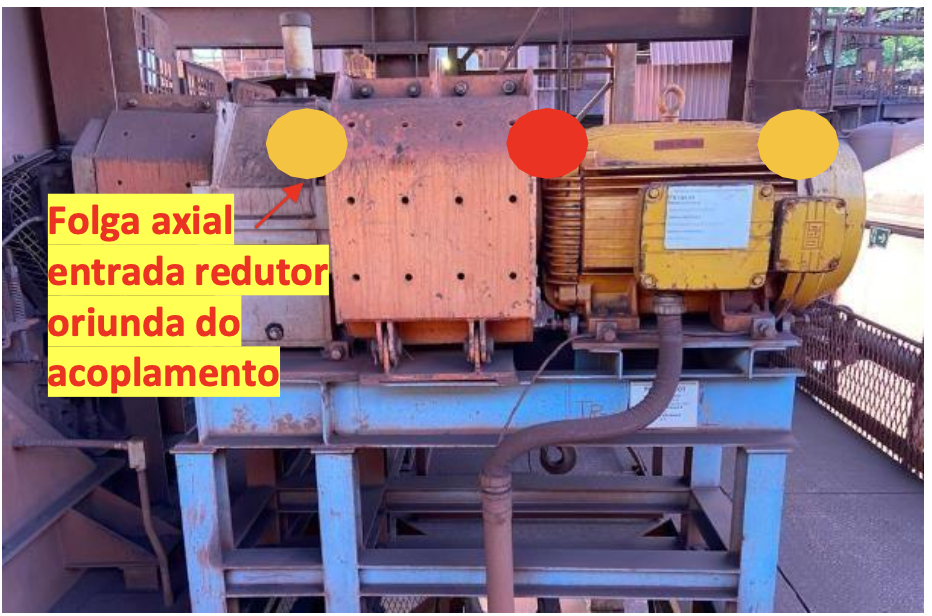
Excessive mechanical clearances in the shaft rotation (1x) indicate misalignment, causing vibration. Check bushing adjustments, central screw tightness, reducer shaft and coupling hole dimensions, elastic elements, and optical alignment.
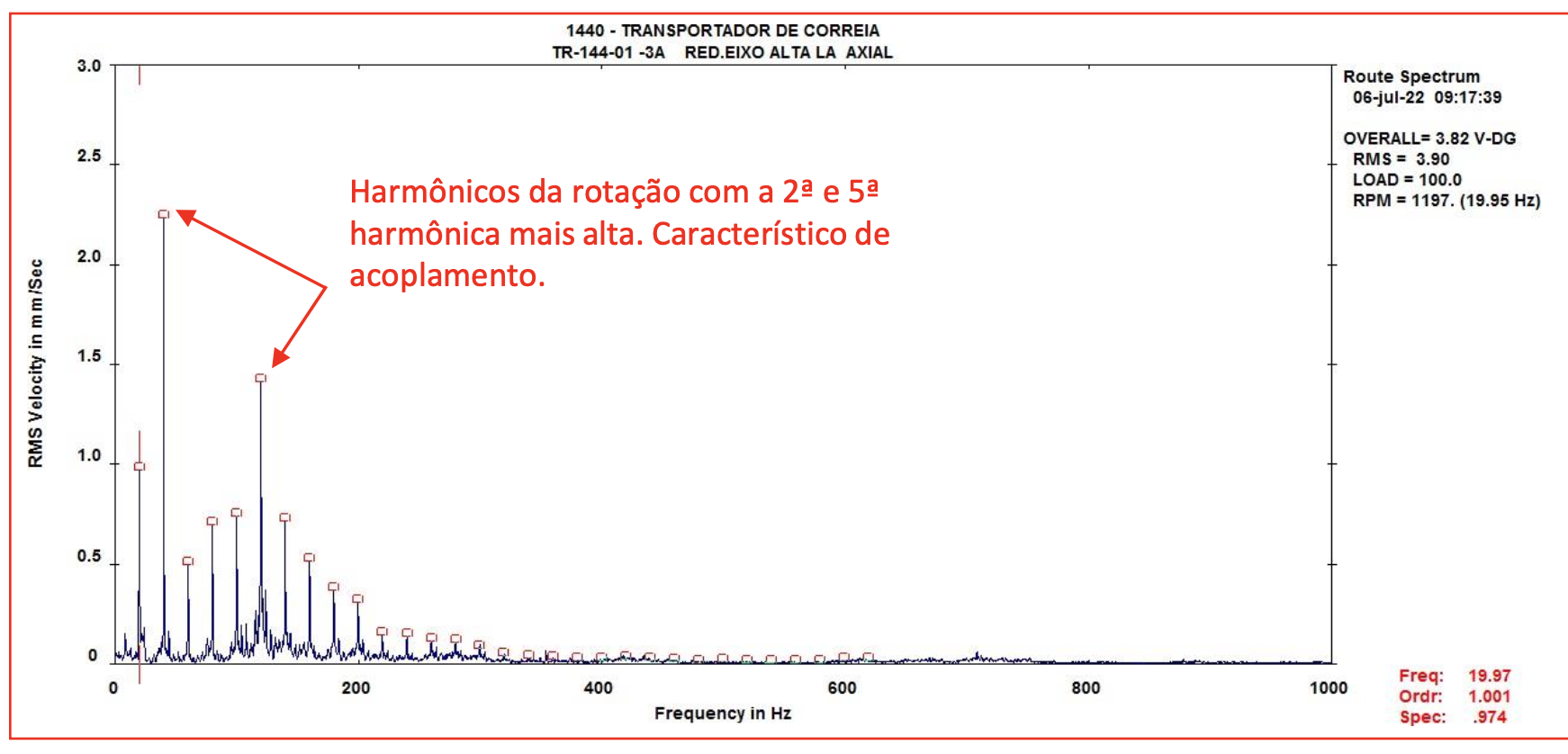
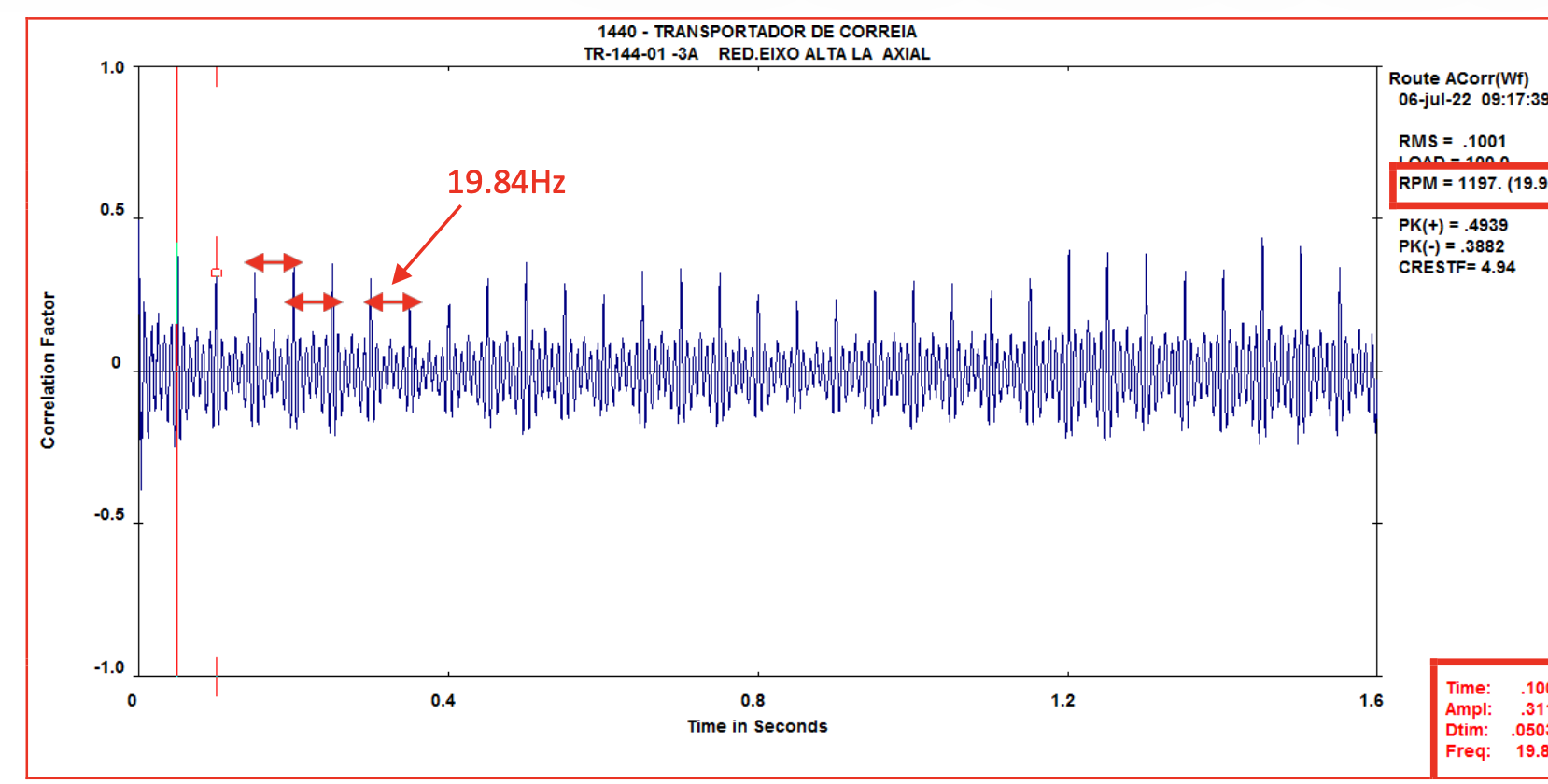
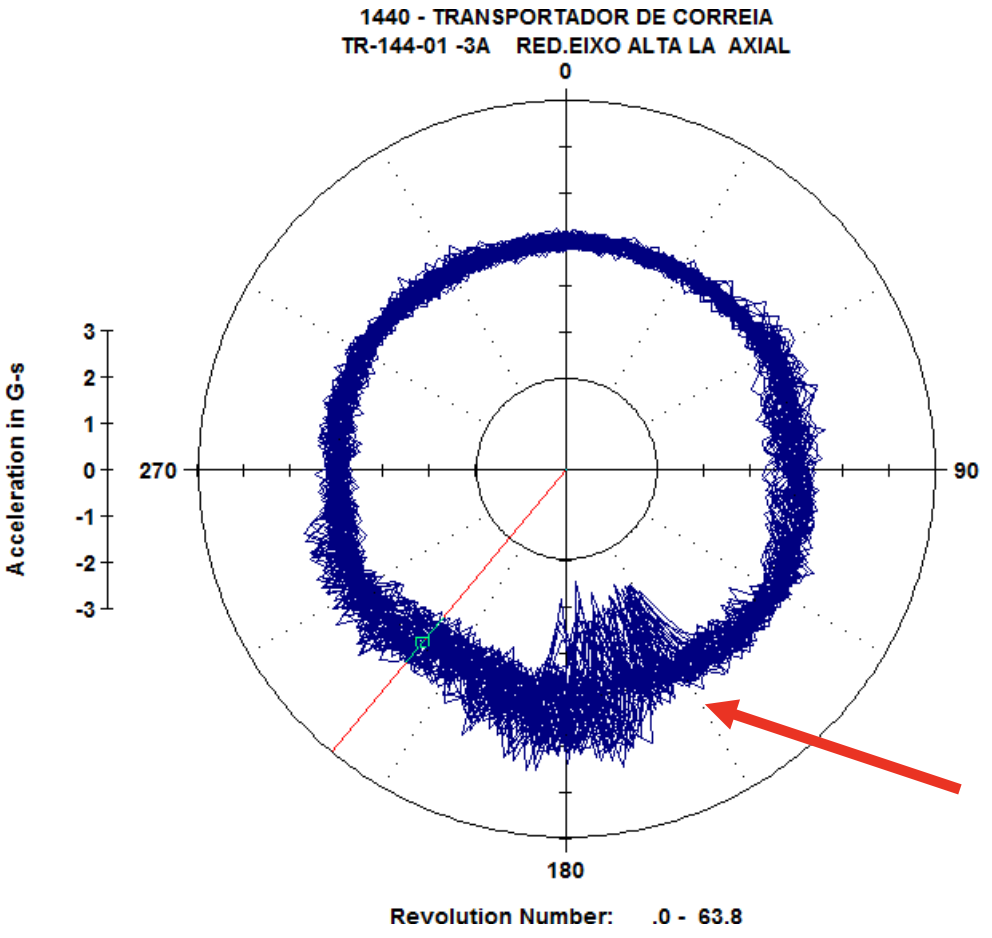
Characteristic frequencies and abnormal amplitudes were detected in the shaft rotation (1x). This
characteristic indicates that the assembly operates with excessive mechanical clearances, that is, when the rotating components of a piece of equipment are incorrectly aligned, which interferes with the equipment's vibration, being captured by the sensor.
1) Check the bushing adjustments. This coupling can be mounted directly on the reducer shaft or using the intermediate bushing. When these adjustments are not followed, clearances can occur and "tilt" and deform the key, causing the coupling to operate with slight eccentricity;
2) Check the tightness of the central screw. Note that this model has a central screw that fixes it axially to the shaft. It can also impact vibration when it becomes loose or even forgotten to be used.
3) Check the reducer shaft with a micrometer, check the coupling hole (or intermediate bushing) with a micrometer + check the keyway + check the minimum recess (1.5 x shaft diameter);
The keyway manufacturing tolerance is also important to avoid play and deformation. Attached
with the keyway tolerances.
4) Check the elastic elements as they can contribute to excessive vibration.
5) Check the optical alignment. It is rare, but it can happen that the coupling has a deformed aluminum housing due to high misalignment.
Note: Is the temperature NORMAL? (NORMAL = up to 30°C above ambient temperature).
Note: Is the temperature NORMAL? (NORMAL = up to 30°C above ambient temperature).
Additional Images