Motor Bearing Replacement Due to Steel Fatigue
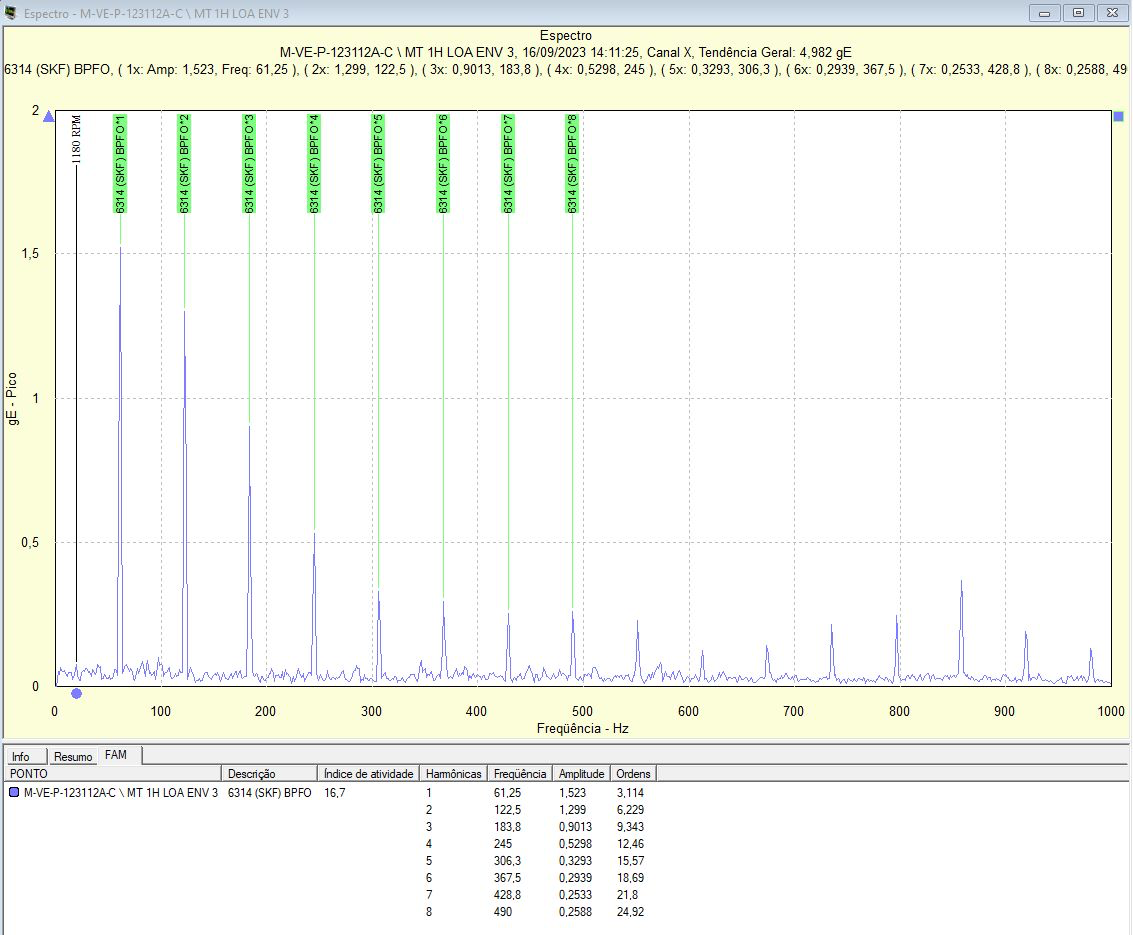
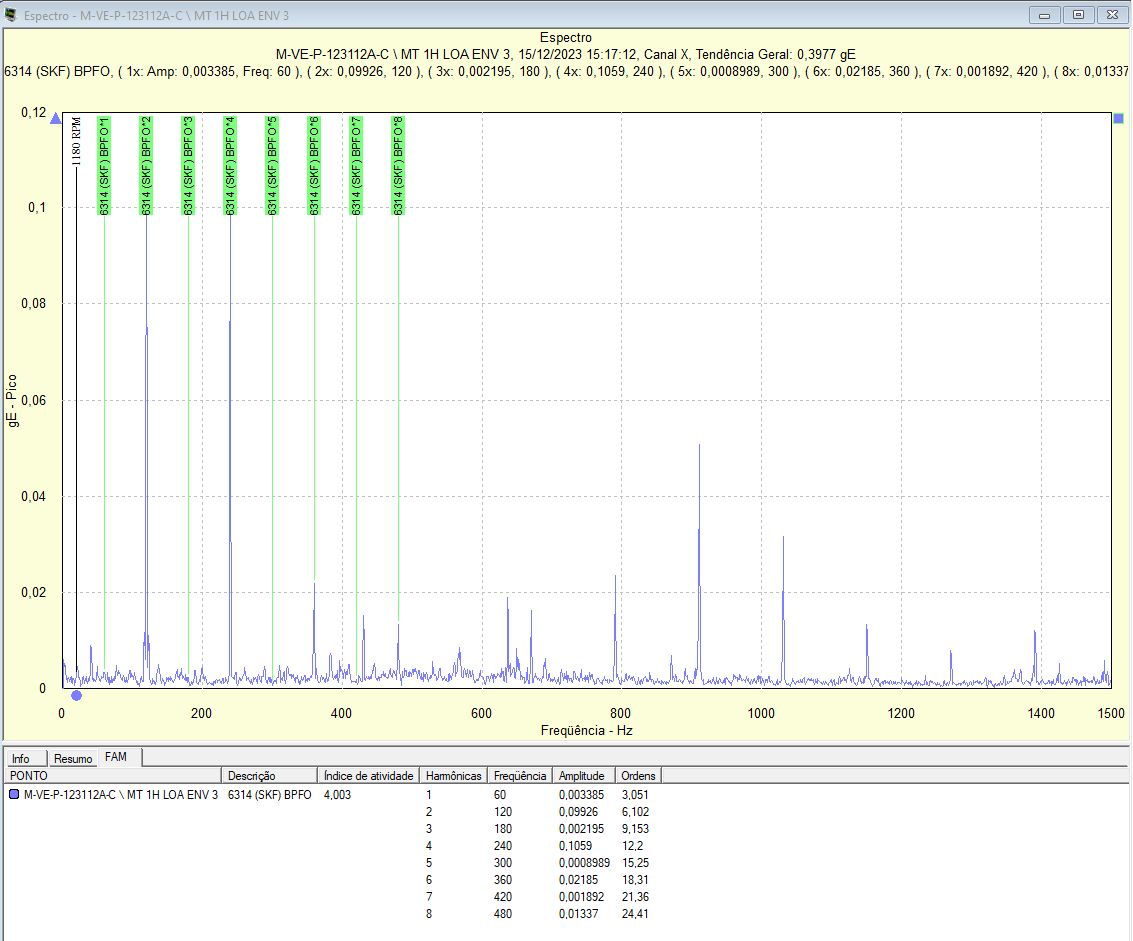
Motor bearings were replaced due to high vibration levels, reducing them to acceptable levels. Defects in the removed bearing included material loss, likely caused by excessive load, contamination, or improper slack.
As requested by the forecast, the engine bearings were replaced, which had vibration levels of 4.982gE. After changing the bearings, the equipment levels are at 0.398gE. In acceptable conditions for operation.
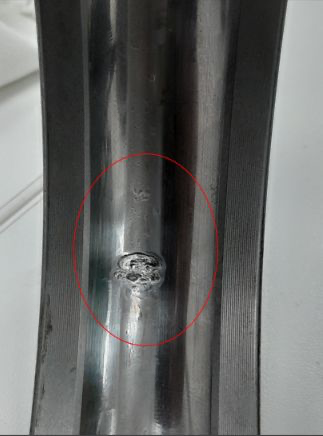
Failure analysis of the bearing that was removed from the engine was carried out, where it is possible to observe some defects in the bearing, they are:
Material loss:
Occurrence
When a bearing rotates under load, material is depleted by steel fatigue on rolling bearing surfaces or the raceway surfaces of the inner and outer rings.
Possible causes
Excessive load
Moment Charge
Contamination by particles, or by water.
Inappropriate slack
Corrective actions
Improve sealing method, prevent oxidation during equipment shutdowns
Check shaft and housing accuracy
Check the internal clearance of the bearing
Additional Images