Kurtosis Analysis for Diagnosing Faults in Reciprocating Compressors
Kurtosis analysis is valuable for diagnosing faults in reciprocating compressors, as it quantifies waveform peakedness and amplitude distribution, providing insights into rotating equipment dynamics.
"Analyzing Kurtosis and Reciprocating Compressors: Understanding Vibration Patterns in Rotating Equipment"
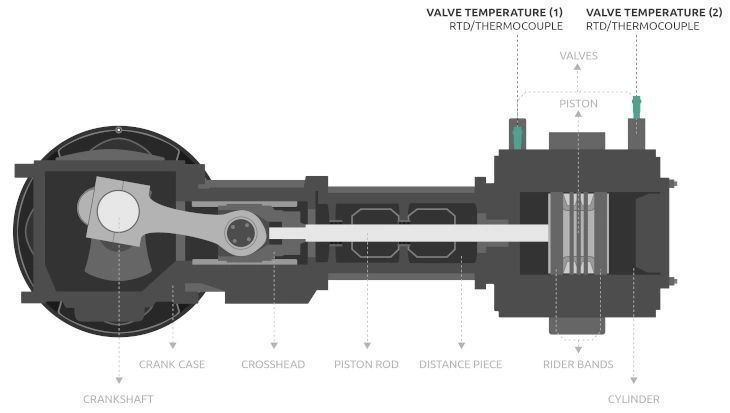
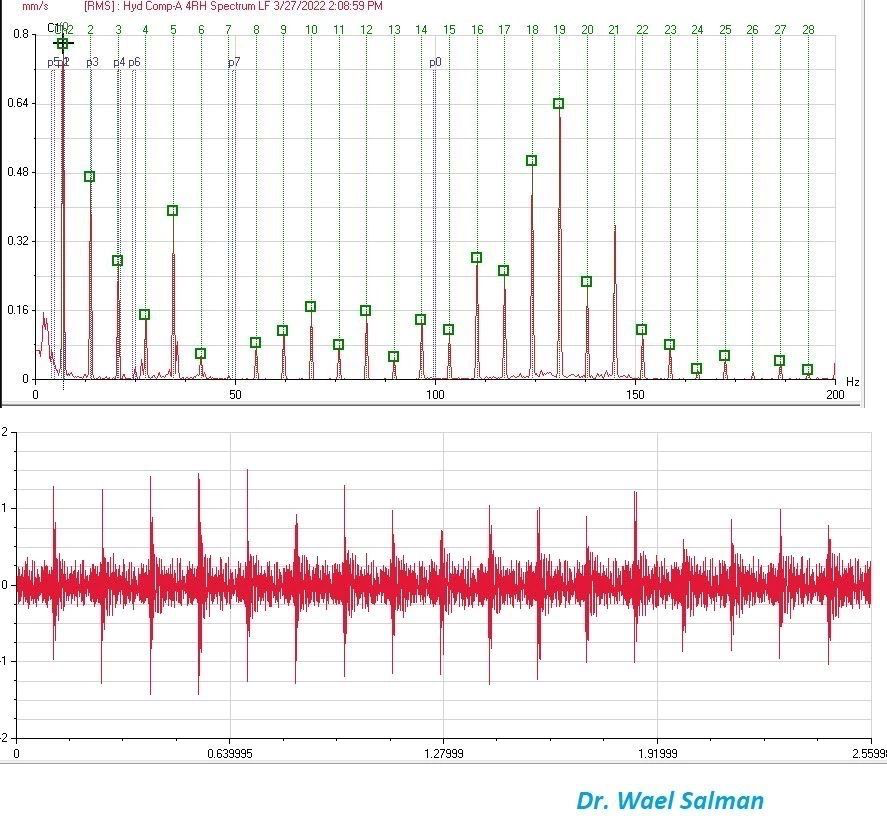
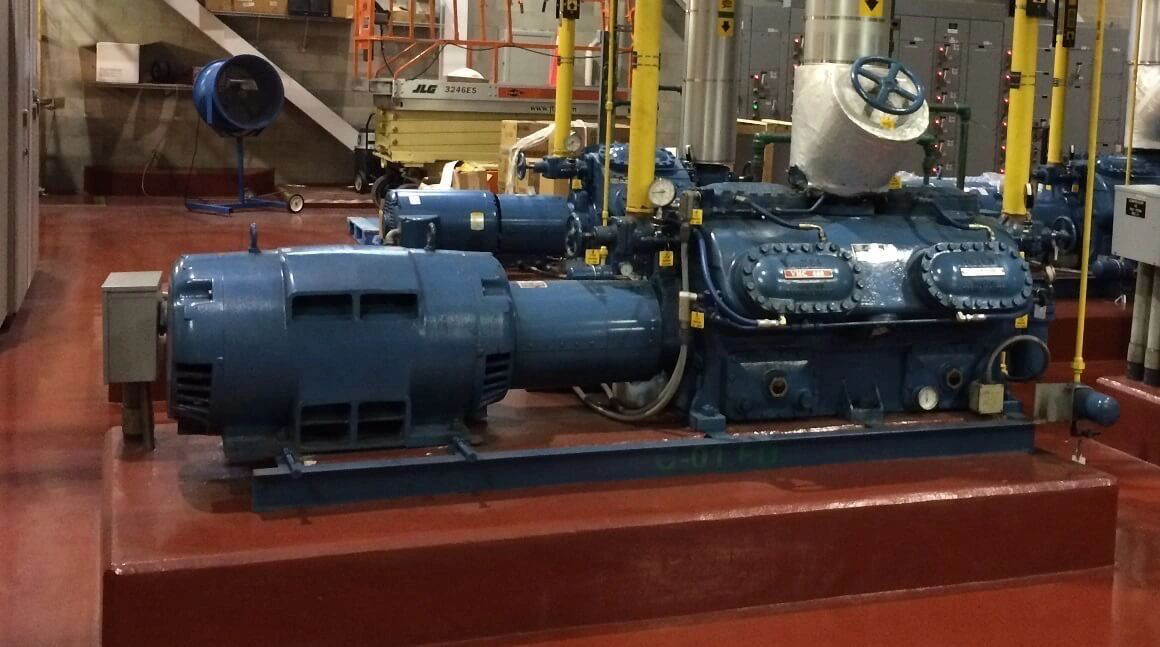
Understanding the operational characteristics of rotating equipment and accurately identifying normal vibration patterns are crucial factors in industrial settings. When it comes to bearing looseness, it is well-known that high shocks in time waveforms and multi-harmonics in spectra are commonly observed. However, in the case of reciprocating gas compressors, these patterns are considered normal due to the nature of piston operation and the compressing gas's impact forces (as depicted in Istec's graphical representation).
Nevertheless, when monitoring the propagation of these impacts to identify faults, it becomes necessary to leverage alternative indicators. Kurtosis emerges as a valuable tool in this scenario, as it quantifies the peakedness and amplitude distribution within the time waveform.
By analyzing the relationship between Kurtosis and Reciprocating Compressors, we gain insights into the intricate dynamics of rotating equipment and enhance our ability to diagnose and address potential faults efficiently.
Additional Images