Troubleshooting Vibration Issues on Pumps
Pump vibration issues are common and can be addressed through proper alignment, inspection of couplings and belts, foundation stability, impeller balancing, lubrication, cavitation monitoring, bearing inspection, vibration analysis, and dynamic dampeners. Early detection and proactive maintenance are crucial for efficient pump operations.
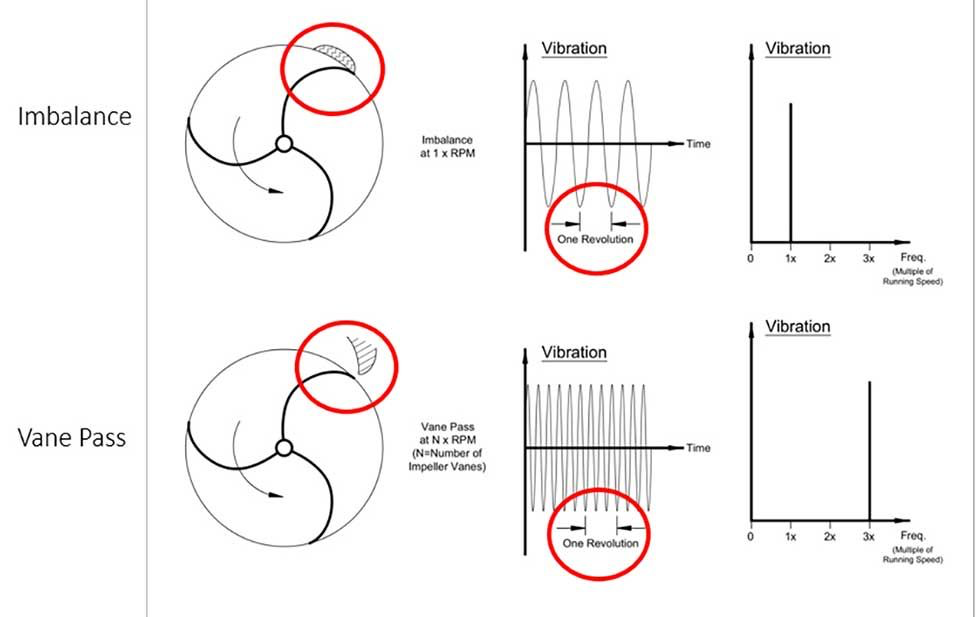
Hey hashtag#LinkedInCommunity! 👋 Let's dive into an essential topic for all engineers and professionals in the pump industry! 🌊
🛠️ Are you facing persistent vibration problems with your pumps? 🛠️
Worry no more! 🤝 I'm thrilled to share some valuable insights and tips to help you tackle those pesky vibration issues head-on! As someone who's been in the pump industry for years, I've come across my fair share of challenges, and vibration has been a common nemesis. But fret not, together, we can conquer it! 💪
👉 Here's a quick guide on troubleshooting vibration issues on pumps:
1. Check Pump Alignment: Misalignment is a primary cause of vibration. Ensure that the pump and motor are properly aligned, and use precision tools to make necessary adjustments.
2. Inspect Couplings and Belts: Faulty couplings or worn-out belts can amplify vibration. Regularly inspect and replace them as needed.
3. Monitor Foundation Stability: A weak or unstable foundation can lead to excessive vibrations. Conduct a thorough foundation assessment and reinforce it if necessary.
4. Balance the Impeller: An unbalanced impeller can cause severe vibration. Balance it carefully using a dynamic balancing machine to avoid issues.
5. Maintain Proper Lubrication: Inadequate lubrication can result in increased friction and vibration. Follow the manufacturer's guidelines for lubrication to keep your pump running smoothly.
6. Check for Cavitation: Cavitation can lead to vibration and damage the pump. Monitor the suction conditions and ensure they are within the recommended range to avoid cavitation.
7. Inspect Bearings Regularly: Worn-out bearings can cause excessive vibration. Regularly inspect and replace bearings to prevent further problems.
8. Use Vibration Analysis Tools: Invest in vibration analysis tools and techniques to identify the root cause accurately. This will enable you to take proactive measures before issues escalate.
9. Consider Dynamic Dampeners: Installing dynamic dampeners can help reduce vibration levels and improve overall pump performance.
Remember, early detection and proactive maintenance can save you time, money, and headaches in the long run! 🕰️
📣 Let's build a knowledge-sharing community! 📣 If you've encountered pump vibration issues and have valuable tips to add, share them in the comments below. 👇 And don't forget to hit that like button if you found this post helpful! Together, we can empower each other to excel in our pump operations. 🚀