Integrated Wastewater Pump Bearing Fault
Vibration analysis standards provide a global reference and are based on extensive knowledge, but they have limitations. While standards offer general guidelines, practical knowledge and wisdom are crucial for improved reliability, as exemplified by a case where a bearing showed damage despite meeting ISO 10816-7 alarm limits.
Are you using standards while performing vibration analysis? Congratulations, shame on you - simultaneously!
There are - as always - two sides of a coin:
ADVANTAGES of using standards
+A global reference where to compare the actual vibration readings.
+Standards are based on decades of theoretical and practical knowledge, a lot of support in difficult situations.
+/- Are general guidelines which apply in general cases, GENERALLY.
DISADVANTAGES of using standards
-Limited frequency range 10-1000 Hz.
-An alarm limit may be too low for many applications, while machine has been running for decades problem free, which leads to unnecessary machine repairs.
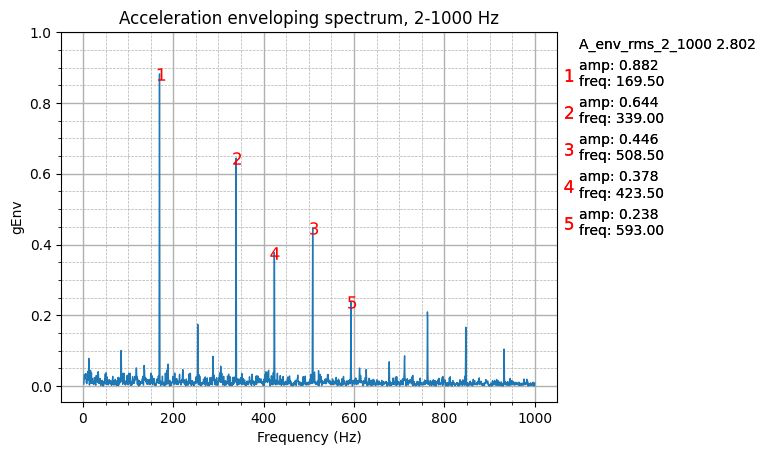
-An alarm limit may be too high, even in the case of bearing damage, an example below.
An excellent example of sustainable reliability that MyAsensiot service is able to offer. This time in cooperation with one of our service partners, Flowplus.
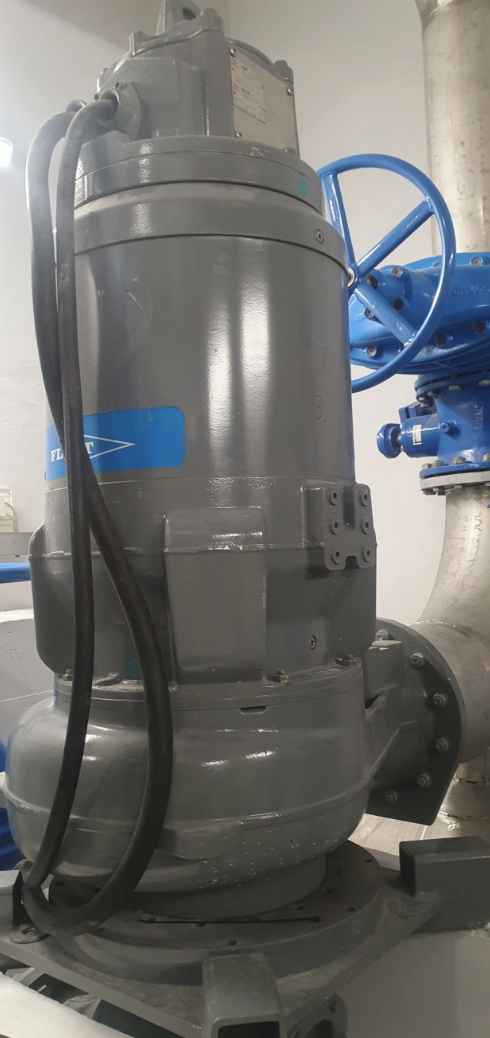
An integrated wastewater pump, 85 kW, 985 rpm, VFD, sealed bearing, actual service life 9 years. A city's +10k people are very happy while this pump operates without unexpected shutdown.
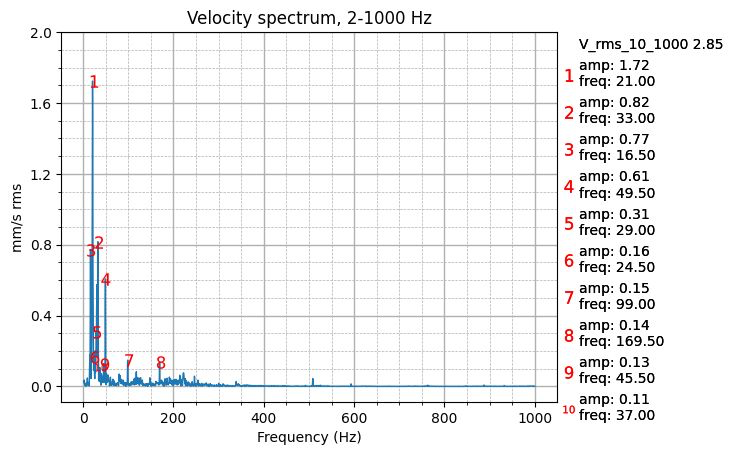
Actual vibration: Vrms 2,85 mm/s (below in situ acceptance test!)
ALARM limit per ISO 10816-7: 5,1...6,4 mm/s
So, machine should be accepted for operation. So, what's the problem?
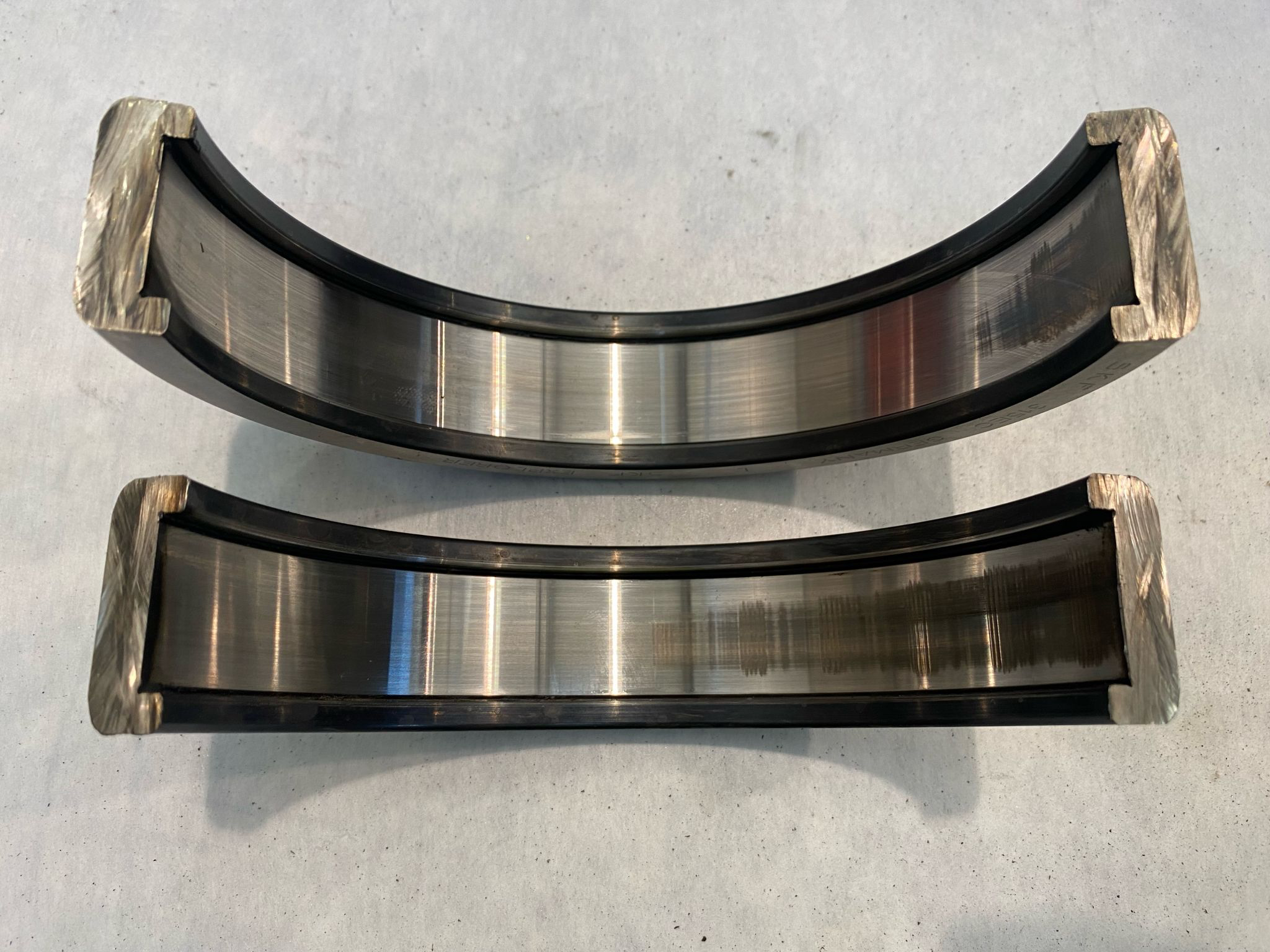
The bearing damage in pump NDE, where the failure mode is quite clear - isn't it?
This post is not a manifest against standards, it's very opposite. I am the one of the happy users of standards in the fields of vibration analysis and condition monitoring. I highly appreciate the people who have given their time, effort and understanding for a greater good. Actually, I am a happy member of a standardization working group too. Still, you should never forget the importance of defining root cause (just open that damn bearing), because that's the key information for improved reliability - the point where you can make an exception from the routine.
Where the standards end, practical knowledge and wisdom begins.
Do you open the bearings to see the actual condition?
Additional Images