Electrical vs Running-Speed Related Defects in Vibration Analysis
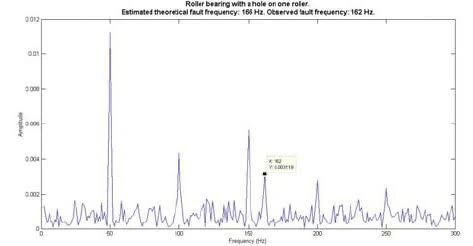
Electrical defects in vibration spectra appear as peaks at line frequency multiples and slot pass frequencies, while running speed-related defects show as harmonics of running speed and non-synchronous peaks.
Differentiating Electrical Defects from Running Speed-Related Defects in Vibration Spectrum Analysis 🔍**
In the world of vibration analysis, accurately identifying the source of defects is important for effective maintenance and repair. Two common types of defects that can appear in vibration spectra are electrical defects and running speed-related defects. Here's how you can differentiate between them:
**1. Electrical Defects:**
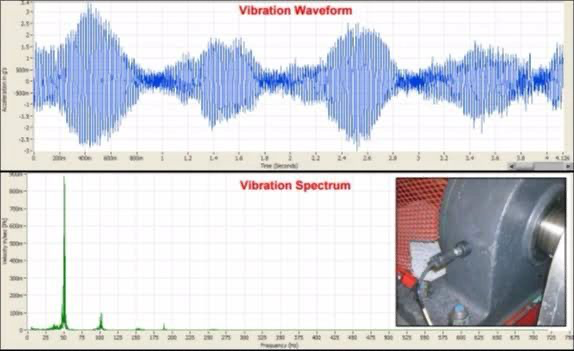
- **Frequency Peaks:** Look for peaks at multiples of the line frequency (50 Hz or 60 Hz) and their harmonics.
- **Slot Pass Frequencies:** Electrical defects often show up as sidebands around the rotor slot pass frequency.
- **Flux Frequency Changes:** Variations in flux frequency amplitudes can indicate electrical issues³.
**2. Running Speed-Related Defects:**
- **Harmonics of Running Speed:** Defects related to running speed will appear at multiples of the machine's running speed (1x, 2x, 3x, etc.).
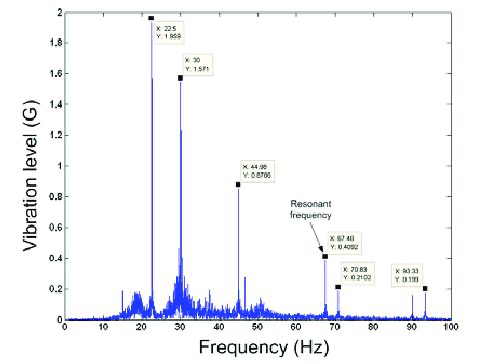
- **Non-Synchronous Peaks:** These peaks are not multiples of the running speed and can indicate issues like rolling element defects or resonance⁴.
- **Visual Inspection:** Always complement spectrum analysis with a visual inspection to identify obvious mechanical faults¹.
By understanding these key differences, you can more accurately diagnose and address the root causes of vibration issues, ensuring your machinery runs smoothly and efficiently.
Additional Images