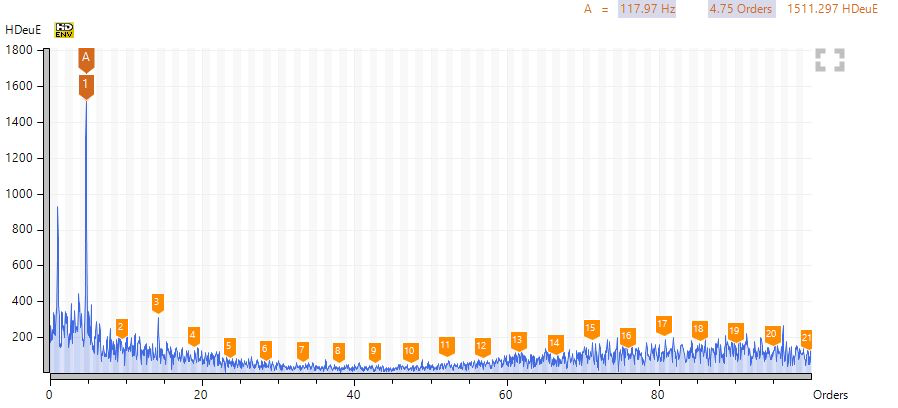
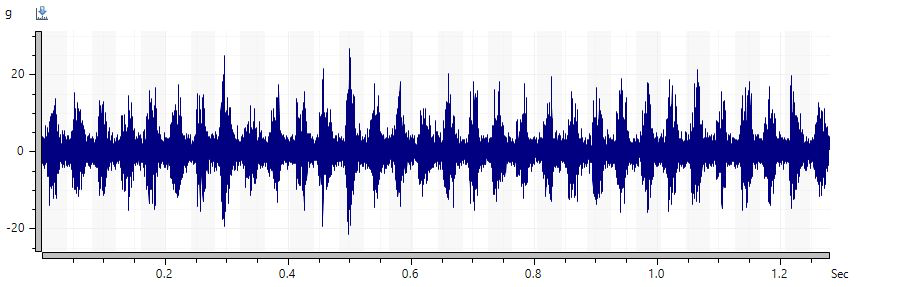
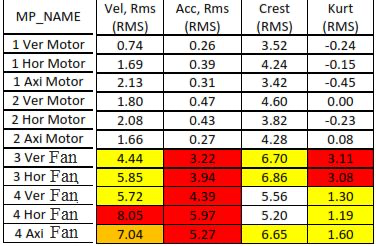
Ignoring Predictive Maintenance Data Leads to Catastrophic Failure
Ignoring predictive maintenance data leads to costly equipment failures, unplanned downtime, and lost revenue. More importantly, it destroys critical evidence needed for Root Cause Failure Analysis, hindering the implementation of proactive maintenance solutions.
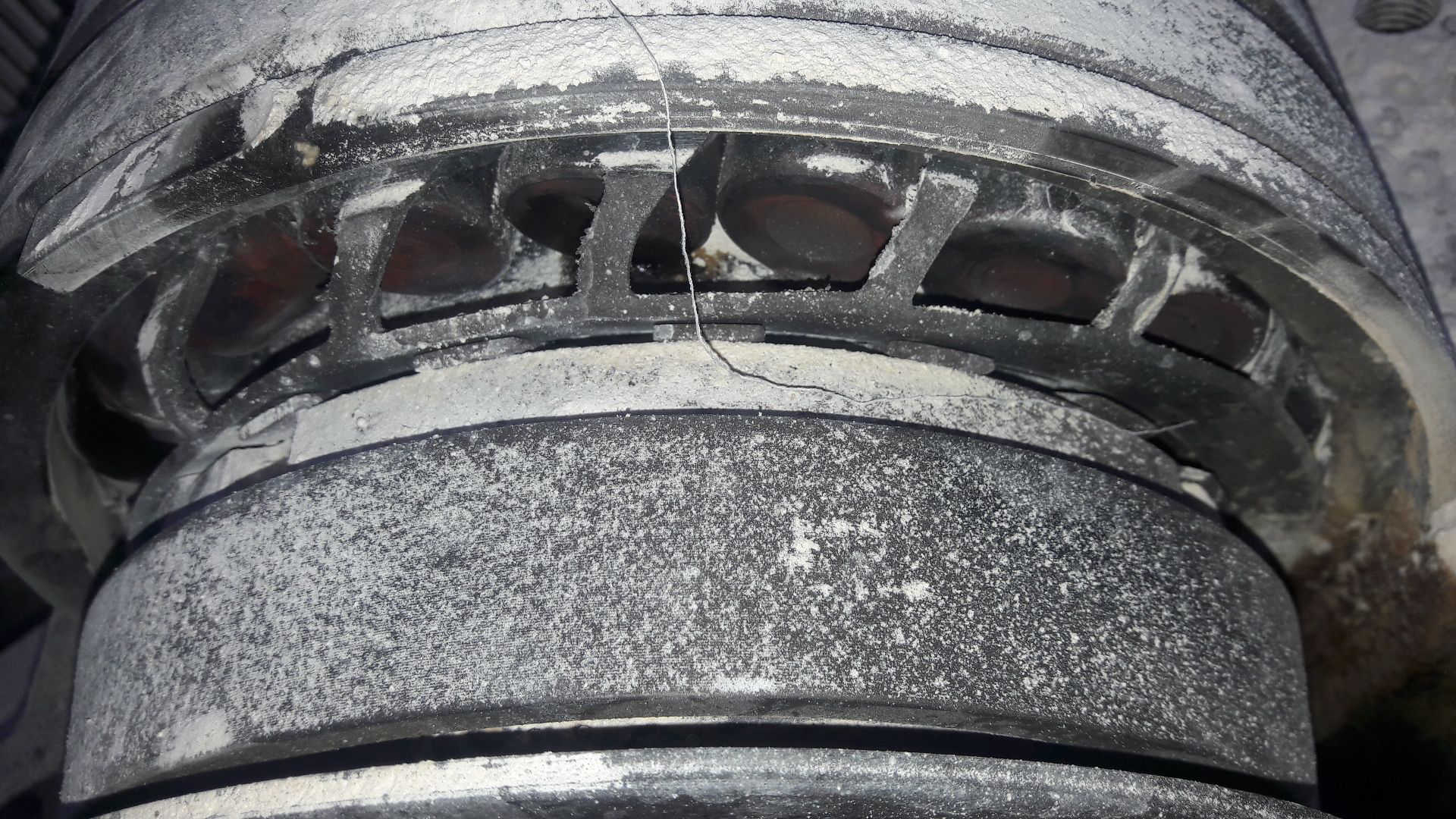
The High Cost of Ignoring Predictive Maintenance: Eradicating the Evidence of Failure.
Moving from a reactive "run-to-failure" culture to a proactive, predictive maintenance strategy is no longer just a best practice, it's a fundamental necessity for operational excellence.
While Preventive Maintenance is crucial for early fault detection, it is truly Proactive Maintenance that targets the root causes of failure, prevents defects from occurring in the first place, and is the ultimate goal of any world-class maintenance program.
The greatest risk isn't just the initial equipment failure. It's the cascade of consequences that follows when we ignore our Condition Monitoring team's data and default to a reactive stance:
-Secondary & Catastrophic Damage: A minor fault escalates, causing extensive collateral damage.
- Unplanned Downtime & Production Loss: The most visible and costly outcome.
- Skyrocketing Costs: From emergency repairs to lost revenue.
But the most insidious cost is often invisible: The destruction of critical evidence.
By not acting on early warnings, we erase the vital failure data the vibration signatures, thermal images, and oil analysis trends needed for effective Root Cause Failure Analysis (RCFA). This data is the key to implementing true proactive solutions.
Without it, the root cause remains hidden, destined to repeat in a vicious and expensive cycle. We are not just fixing broken machines; we are destroying the very intelligence we need to prevent future failures.
The question is: Are you investing in a strategy that simply finds failures early, or one that builds a system to prevent them altogether?
Additional Images