Cooler Fan Balancing and Bearing Faults
A client requested a dynamic balancing job for a cooler fan. Despite recommendations to replace the bearing due to instability and bearing fault frequencies, the client insisted on balancing, resulting in an 86% reduction in vibration amplitude.
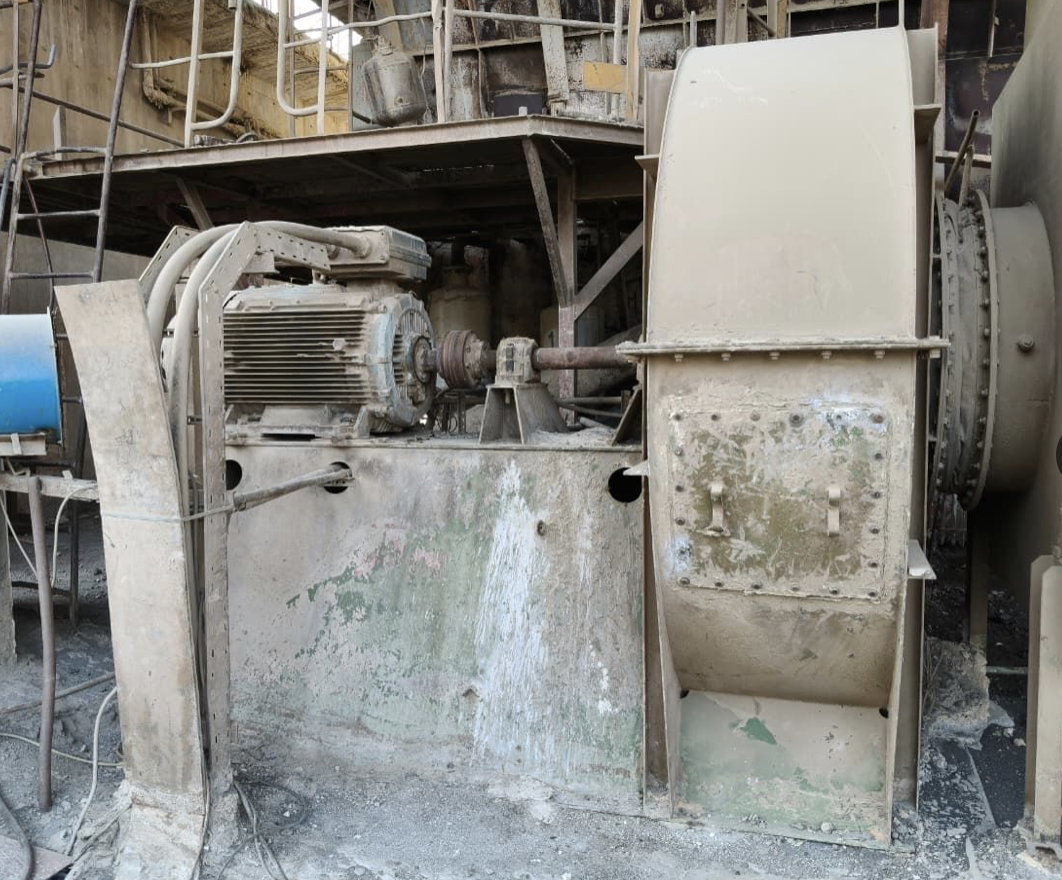
Recently, a client requested an on-site dynamic balancing job for a cooler fan.
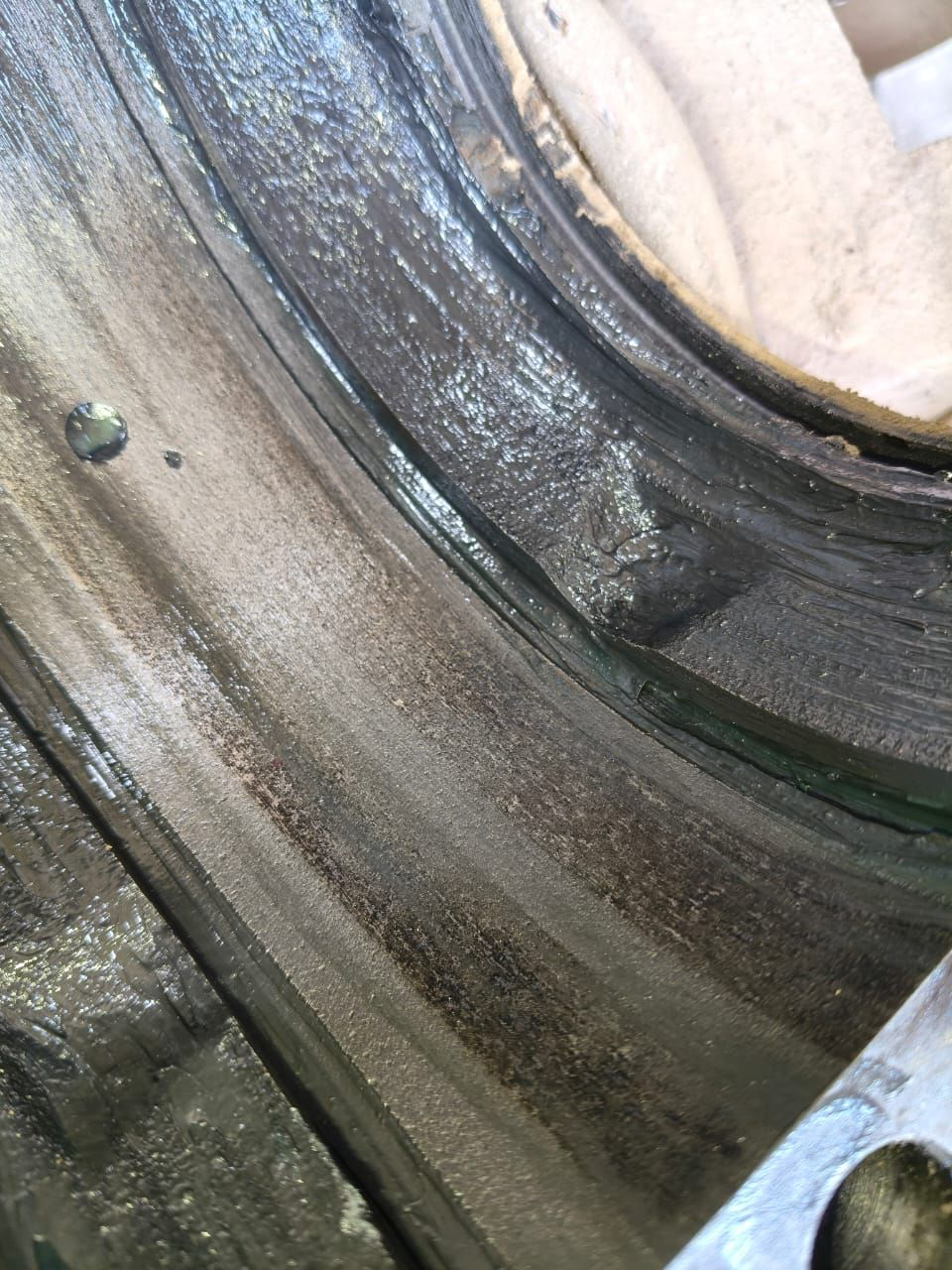
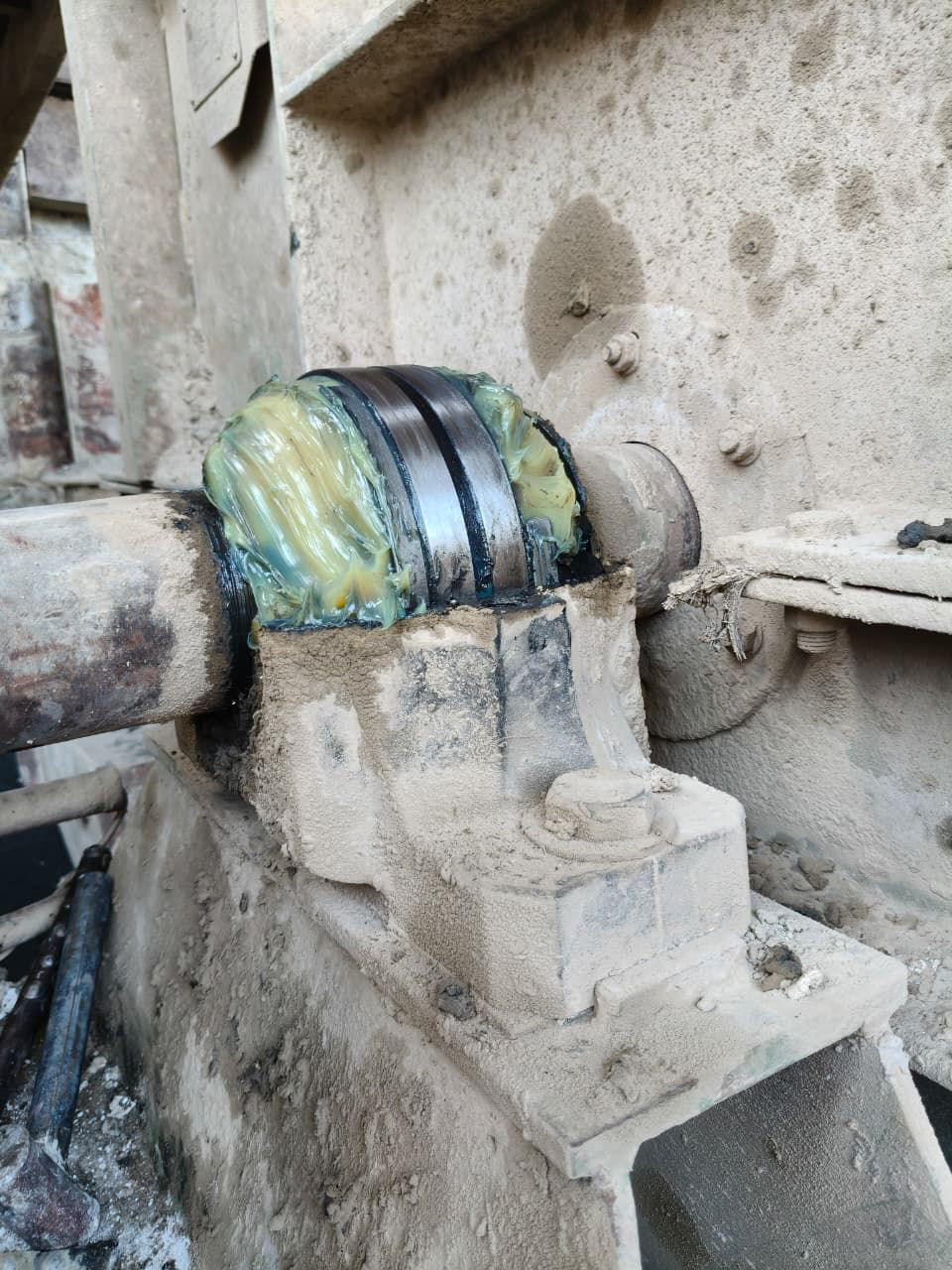
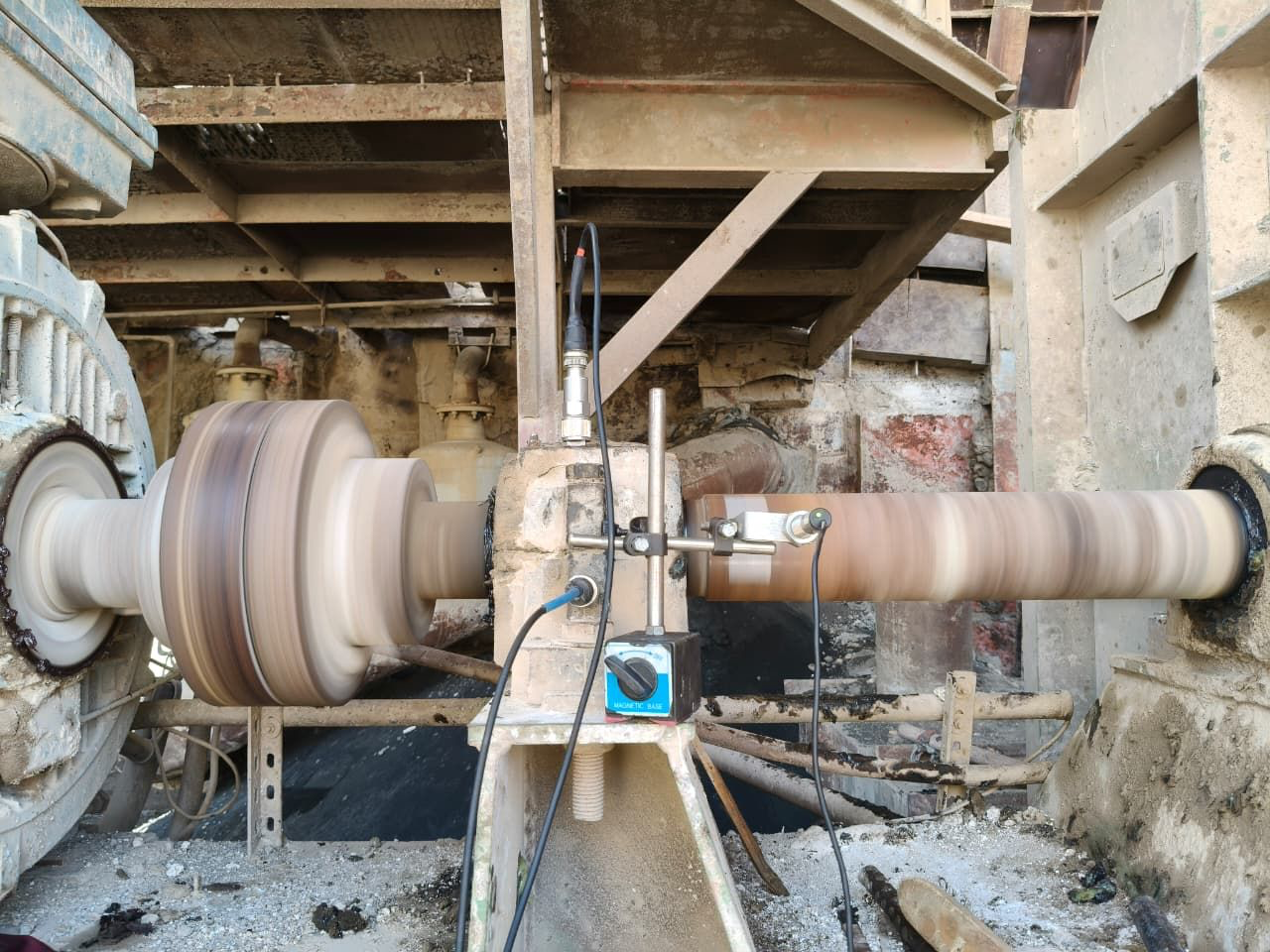
🔎 Before starting, I performed a vibration measurement, and the spectra revealed a rotating looseness pattern. I recommended checking the bearing clearance. After inspection, the team confirmed incorrect clearance and there are signs of looseness on the bearing housing, which they corrected and re-greased.
📊 A follow-up measurement revealed further issues: bearing fault frequencies (1X FTF and 1X BSF with harmonics). I strongly recommended replacing the bearing before applying the balancing job, but the client insisted on proceeding with the balancing job.
⚙️ During balancing, I faced a big challenge—the vibration phase was unstable, making it difficult to take accurate readings. After several attempts, I managed to reduce the 1X vibration amplitude from 5 mm/s down to 0.5 mm/s — an 86% reduction.
🔧 However, due to the bad condition of the bearing, I recommended that the bearing must be replaced to restore full reliability.
👉 This case highlights the importance of thorough vibration analysis before corrective action. Balancing can solve symptoms, but unless the root cause (in this case, bearing failure) is addressed, the machine will not achieve long-term reliability.
Do you think the phase instability is due to the bearing's condition?
I think so.
Additional Images