Logarithmic Scale: The most forgotten yet powerful vibration analysis tool
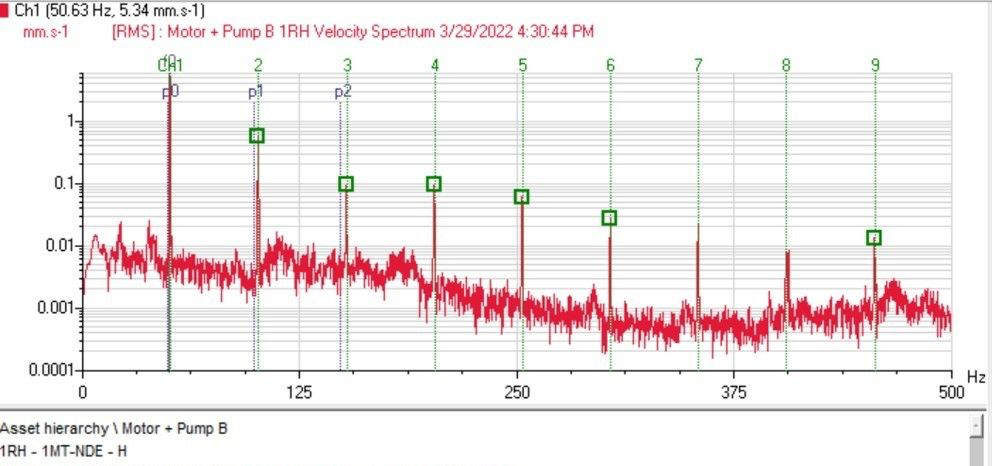
A high vibration in an electric motor was analyzed using a logarithmic scale, revealing a defect profile of 1X + harmonics, indicating rotating looseness. The client was advised to inspect the journal bearings.
Logarithmic Scale: The most forgotten yet powerful vibration analysis tool!.
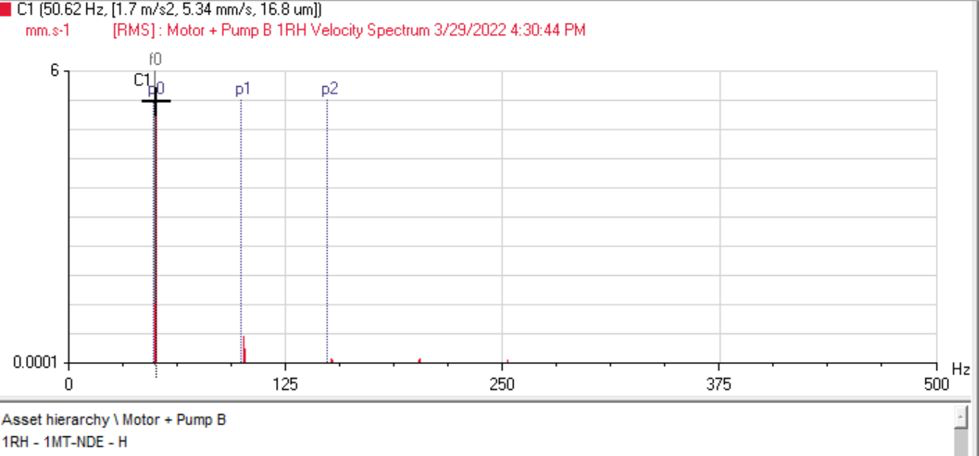
An electric motor 1100 Kw and 2984 RPM with journal bearings had a high vibration in both MTDE and MTNDE in the Horizontal axis around 4.5 mm/sec RMS.
After collecting the data, we promptly opened the LF Spectrum and cant helped to notice the dominant shaft frequency 1X and with a digital conversion data collector tool my Time-waveform was limited to the Acceleration amplitude unit so not much use to see while the defect is located in the Low Frequency domain in the same time the phase value of bearing's Vertical/Horizontal been checked and was not repeatable!
This built up suspicious as I felt this 1X is not by it's own and there is something missing here meanwhile I saw there are a tiny magnitude of 2X, 3X and this stopped me to think, why not to change the amplitude scale to logarithmic?, once changed from linear to logarithmic I was astonished to see the full picture of the defect!.
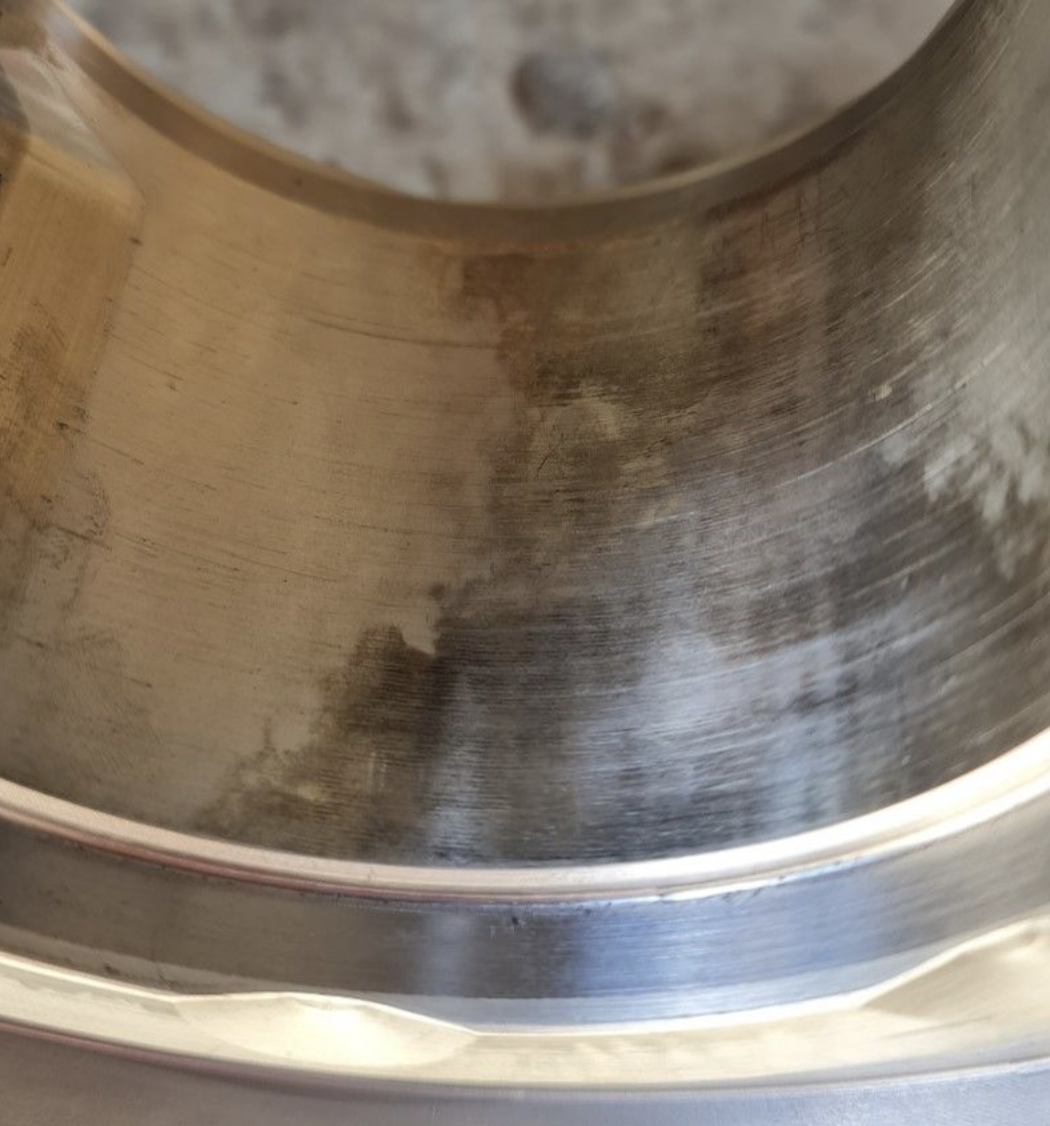
The defect profile has completely changed from high 1X to 1X + Harmonics as rotating looseness, we advises the client to open and inspect the clearness of both journal bearings.
The Moral of the Story:
Always seek the full picture of the defect profile before you give any maintenance recommendation, and try to give a use the logarithmic scale :)
Additional Images