How Do We Do Grease Analysis Correctly?
Grease analysis is often misunderstood and misused due to incorrect sampling, ignoring grease heterogeneity, using oil-analysis tools improperly, misinterpreting trends, and focusing solely on wear. When done correctly, it is valuable for contamination control, relubrication optimization, and lubricant health management.
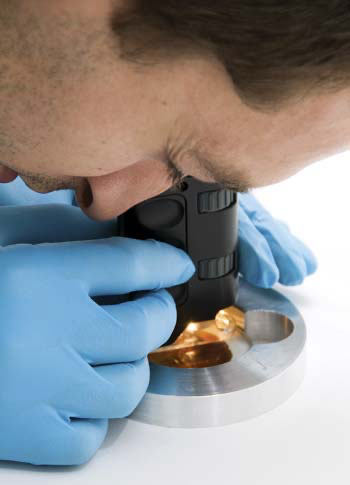
Grease analysis often gets a bad reputation. Many professionals try it once, don’t get consistent results, and decide it’s unreliable.
But in reality, grease analysis fails not because the method is flawed — but because it’s frequently applied incorrectly.
Here are 5 critical reasons why grease analysis is often misunderstood or misused:
1️⃣ Incorrect sampling practices
Grease is not homogeneous like oil. Sampling from the wrong location, depth, or without proper tools can completely distort the results before analysis even begins.
2️⃣ Ignoring grease heterogeneity and structure
Grease contains base oil, thickener, and additives — each behaving differently. Treating grease as “thick oil” leads to misleading lab results and wrong conclusions.
3️⃣ Using oil-analysis tools without proper adaptation
Many instruments are designed for oils, not greases. Without compensation methods, measurements like wear debris, particle counts, or contamination levels can be inconsistent or unreliable.
4️⃣ Misinterpreting trends, limits, and baselines
Grease trends do not behave like oil trends. Without baseline greases, proper limits, and understanding replenishment effects, trend analysis becomes meaningless.
5️⃣ Focusing only on wear — missing the real value
The true strength of grease analysis is not just wear detection.
It excels at contamination control, relubrication optimization, and lubricant health management — when used correctly.
👉 Bottom line:
Grease analysis does work — when it’s sampled correctly, analyzed with the right methods, and interpreted by people who understand grease behavior.