Ultrasound vs Vibration Sensors
Ultrasound and vibration sensors differ primarily in resonance, with the UEB332 offering both ultrasound and vibration outputs. The UEB332 excels in lubrication analysis, as demonstrated in a trial by Ryan Hanney.
Ultrasound VS Vibration sensors
Hats off to Jake Ford with PFE Limited for this trial because it breaks down the difference between an ultrasound output VS a vibration output better than any other document I have seen.
The primary difference = the resonance of your sensor
What are the 2 sensors in this trial?
CTC AC102 with a resonance peak of 23 kHz
CTC UEB332 with a resonance peak of 42 kHz
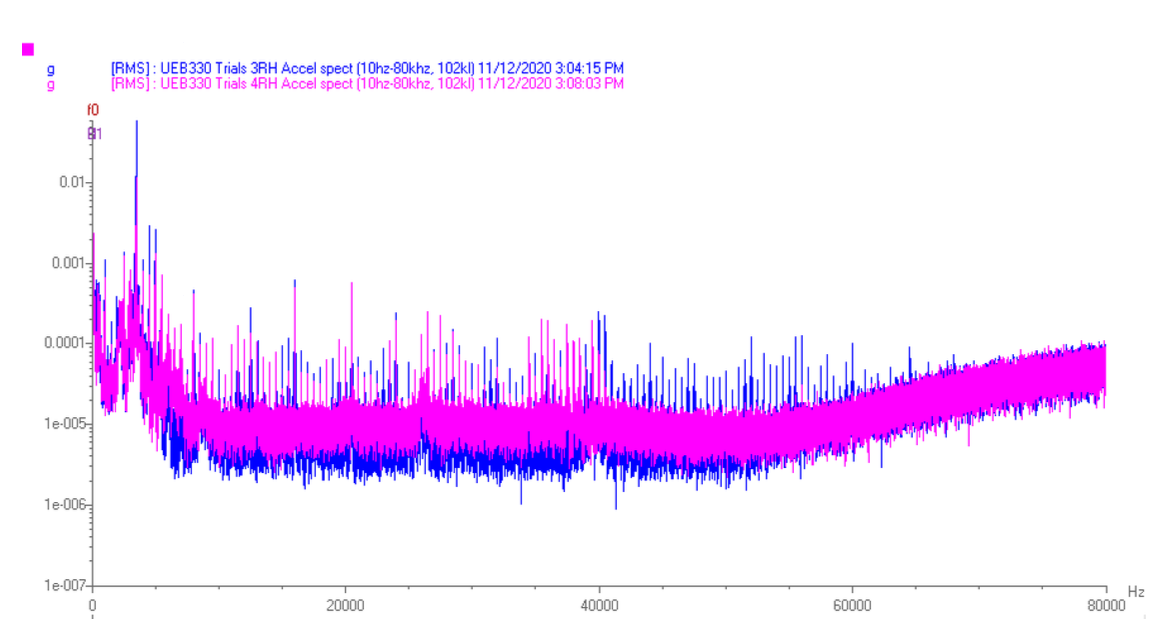
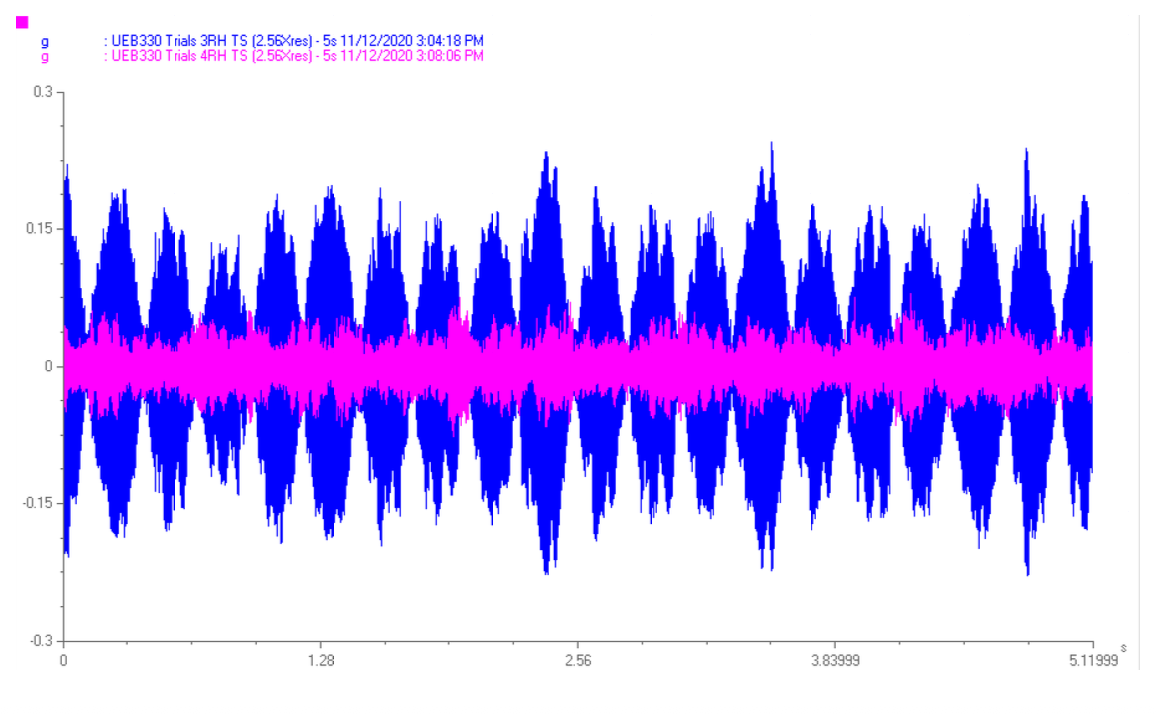
You will notice in the trial that ultrasound gives you advantages that vibration does not. And vibration gives you adavantages that ultrasound does not.
In this trial it looks like the ultrasound sensor gives you insight to the same frequencies that the standard sensor does. Which is true, but that is because the UEB332 is not just an ultrasound sensor, it is an ultrasound & vibration output sensor.
There have been alot of amazing trials completed with the Connection Technology Center UEB332.
Ryan Hanney with CBRE UK has an amazing video on his LinkedIn feed of utilizing the UEB332 for lubrication analysis is another great display as to how truly powerful this sensor is.
** Details in the attached file
Additional Images