Phase Analysis to Prove Faults
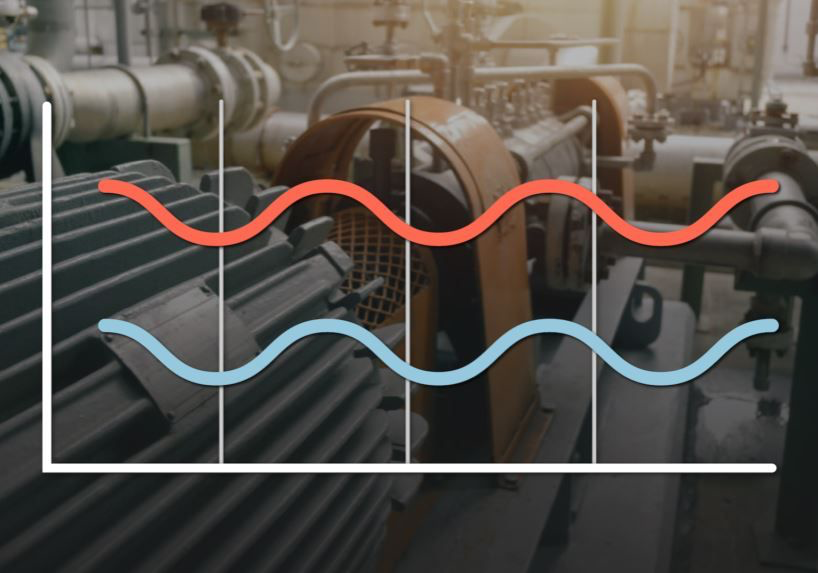
Phase analysis, particularly cross-channel phase analysis, can improve the effectiveness of a vibration program by verifying faults detected during inspections. This technique uses two accelerometers to compare the impact at the running speed of one sensor compared to the other, helping to determine machine train movement and identify faults like misalignment and looseness.
Phase confirmation hashtag#vibrationanalysis
Using phase analysis to prove faults detected during an inspection can really help to verify issues on your machines.
Phase, particularly cross-channel phase analysis, when applied correctly can do a lot to improve the effectiveness of a vibration program.
Cross-Channel Phase is a function built into most modern vibration data collectors.
Using two accelerometers on two channels we are able to take data simultaneously and compare the impact at the running speed of one sensor compared to the other.
The difference is shown in degrees, 0-360 representing the position of the shaft when impact occurs compared from one sensor to the other.
Using this data we can determine how the machine train is moving, and therefore pin down many of the different faults associated with 1x and 2x vibration with great confidence;
👉misalignment
👉structural looseness
👉mechanical looseness
Additional Images