Innovation for a Healthier Planet: How Machine Health Drives Climate Impact
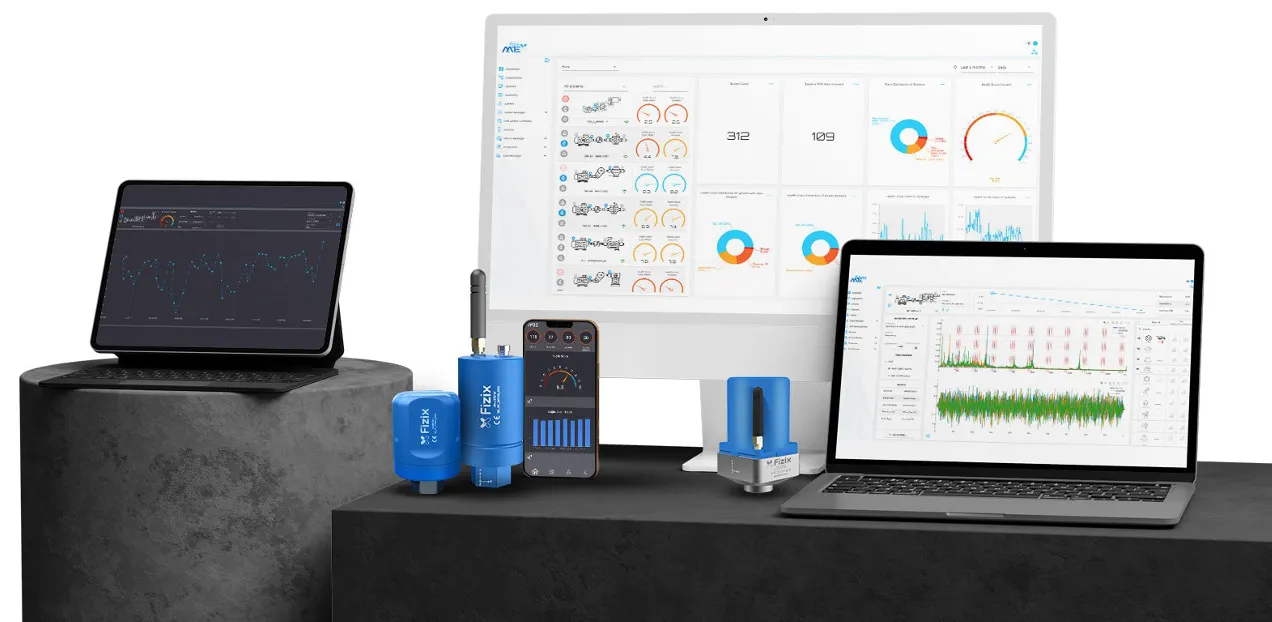
Fizix believes innovation is key to combating climate change, particularly in the manufacturing sector, which contributes significantly to greenhouse gas emissions. Their smart machine health monitoring solution helps industries reduce energy consumption, extend equipment life, and minimize waste, aligning with Bill Gates’s call for sustainable technologies. By focusing on efficiency and sustainability, Fizix aims to create a healthier planet through data-driven innovation.
1. A Shared Vision: Innovation as the Core of Climate Progress
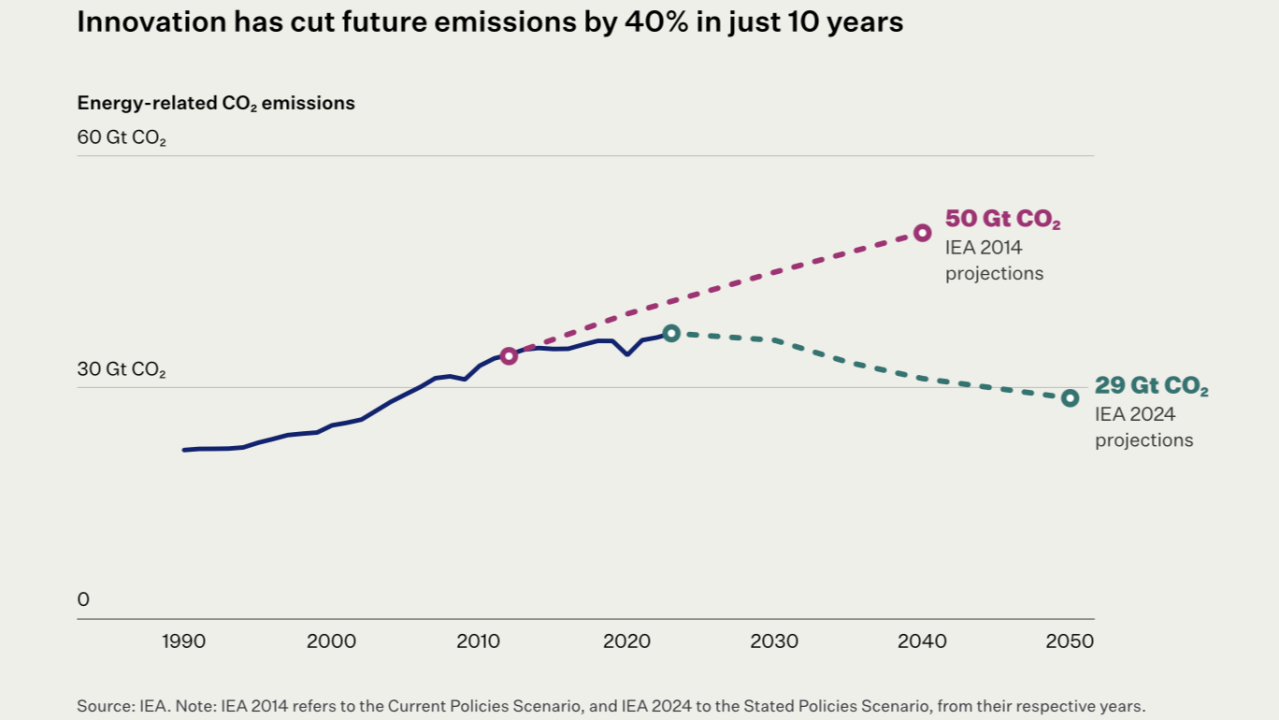
In his recent article “Three Tough Truths About Climate,” Bill Gates reminds us that while climate change is a serious global challenge, innovation gives us reasons for optimism. He highlights that in the past decade, projected global emissions for 2040 have fallen by more than 40 percent—a result of advances in clean energy, electric vehicles, and industrial innovation.
Bill Gates: So why am I optimistic that innovation will curb climate change? For one thing, because it already has. [1]
At Fizix, we share this belief that innovation is the key to measurable progress. Our mission—to make machines healthy—might sound focused on reliability, but it’s deeply connected to climate resilience. Every machine that operates efficiently consumes less energy, lasts longer, and produces fewer emissions. In short, healthy machines help create a healthier planet.
2. Manufacturing: The Heart of the Challenge
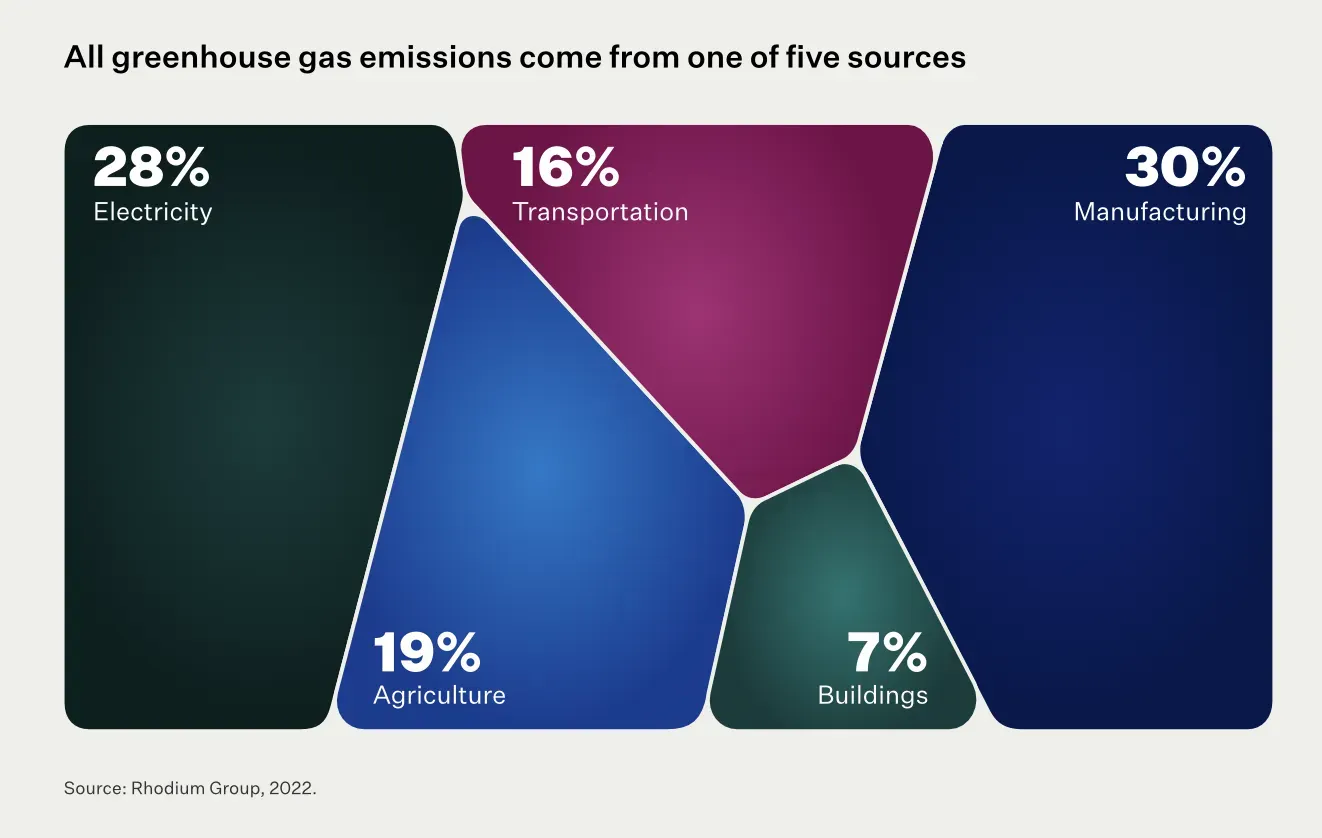
As Bill Gates points out, manufacturing accounts for nearly 30 percent of global greenhouse-gas emissions—more than any other sector. Cement and steel are especially critical because they are indispensable to modern infrastructure and yet difficult to decarbonize.
Fizix’s innovative monitoring technologies are already playing a role here. Thousands of machines across cement and steel plants in Europe, Turkey, and the Middle East are continuously monitored by our smart sensors and AI-driven analytics. By detecting early signs of wear, imbalance, or lubrication failure, our system enables maintenance teams to act before breakdowns occur—preventing wasted energy, reducing raw-material loss, and extending equipment life.
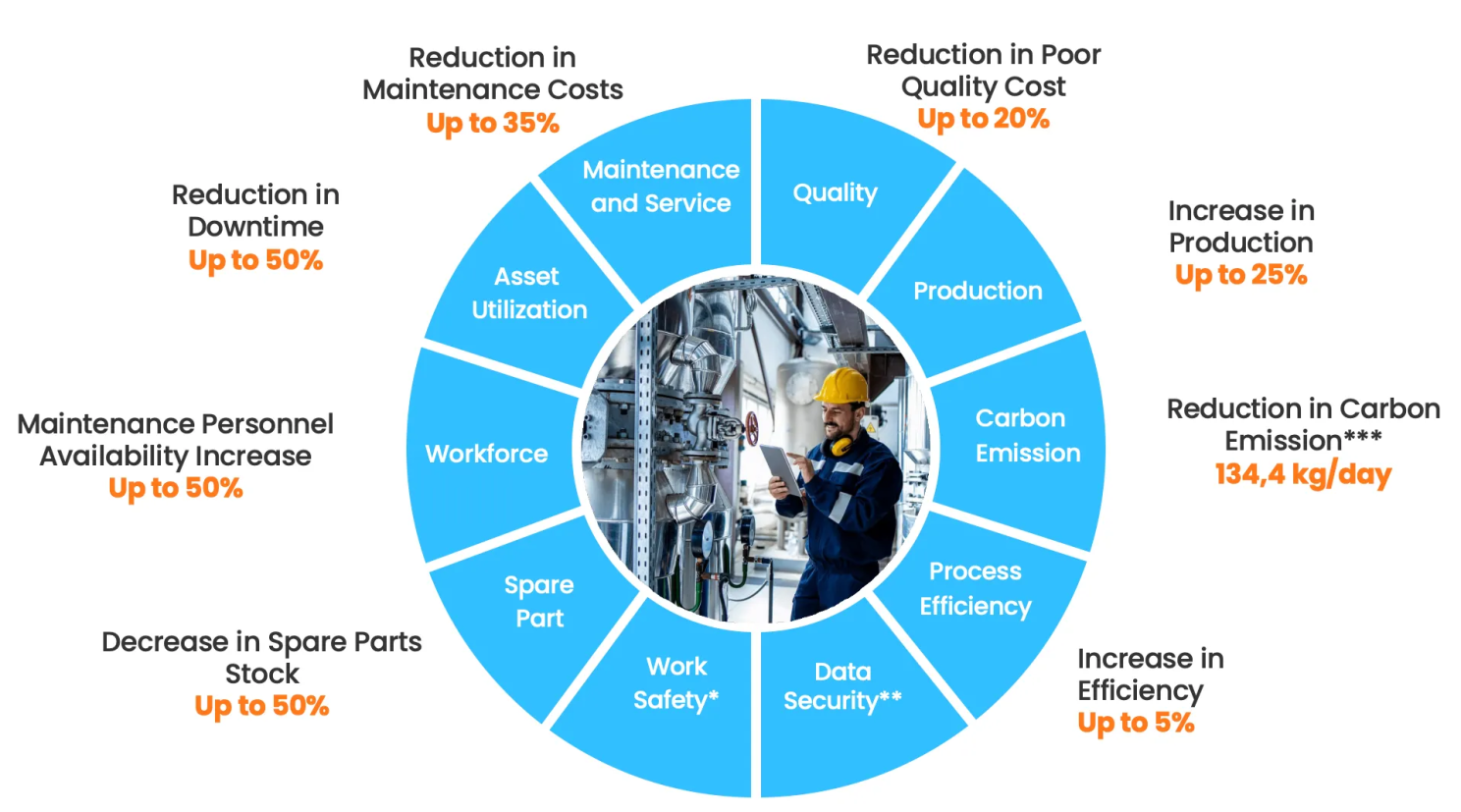
Every avoided failure means less unplanned downtime, fewer replacement parts manufactured, and a smaller carbon footprint across the production chain.
3. Efficiency Equals Sustainability
Energy use is tightly correlated with prosperity, as Gates notes—but efficiency determines how much prosperity we can achieve per unit of energy consumed. This is where machine health matters most.
A well-maintained motor, pump, or fan can operate 5 to 15 percent more efficiently than a degraded one. Across industrial facilities, that difference translates into megawatt-hours saved and tons of CO₂ avoided every year.
Fizix’s digital-twin-oriented platform and AI-powered diagnostics make this possible at scale. By continuously learning from vibration, acoustic, and magnetic signals, our system uncovers invisible losses and recommends precise actions—helping industries move closer to net-zero operations without costly equipment replacements.
4. Innovation Beyond Energy Savings
Climate impact isn’t limited to direct energy reduction. Healthier machines also mean:
Reduced material waste through longer asset lifespans
Safer working environments thanks to fewer catastrophic failures
Smarter use of maintenance resources, minimizing unnecessary travel, logistics, and spare-part production
These indirect effects align with Gates’s call to “be rigorous about measuring impact.” True sustainability goes beyond carbon accounting—it’s about optimizing the entire industrial ecosystem for resilience and human welfare.
5. A Collective Responsibility
Bill Gates urges governments, businesses, and innovators to focus on the sectors that matter most and to drive the Green Premium to zero—making sustainable technologies the default, not the exception.
At Fizix, we take this call seriously. Our innovations contribute to a world where reliability, productivity, and sustainability are not competing goals but reinforcing ones. The same data that prevents a bearing failure can also prevent unnecessary emissions. The same algorithms that extend a motor’s life also extend the life of our planet’s resources.
Climate change will not be the end of civilization—but it will test our ingenuity. Through innovation, collaboration, and data-driven decisions, we can meet that test.
References:
[1] Bill Gates, "Three Though Truths About Climate, What I want everyone at COP30 to know", GatesNotes.com, 27.10.2025 (https://www.gatesnotes.com/home/home-page-topic/reader/three-tough-truths-about-climate)
Additional Images